
Fall is one of the busiest stretches of the year for a lot of our customers. Landscapers are running leaf cleanups, contractors are trying to close out jobs before the weather turns, and plenty of folks are hauling firewood or heading out for hunting season. Your trailer is about to work hard for a couple of months, and the days are getting shorter while it does.
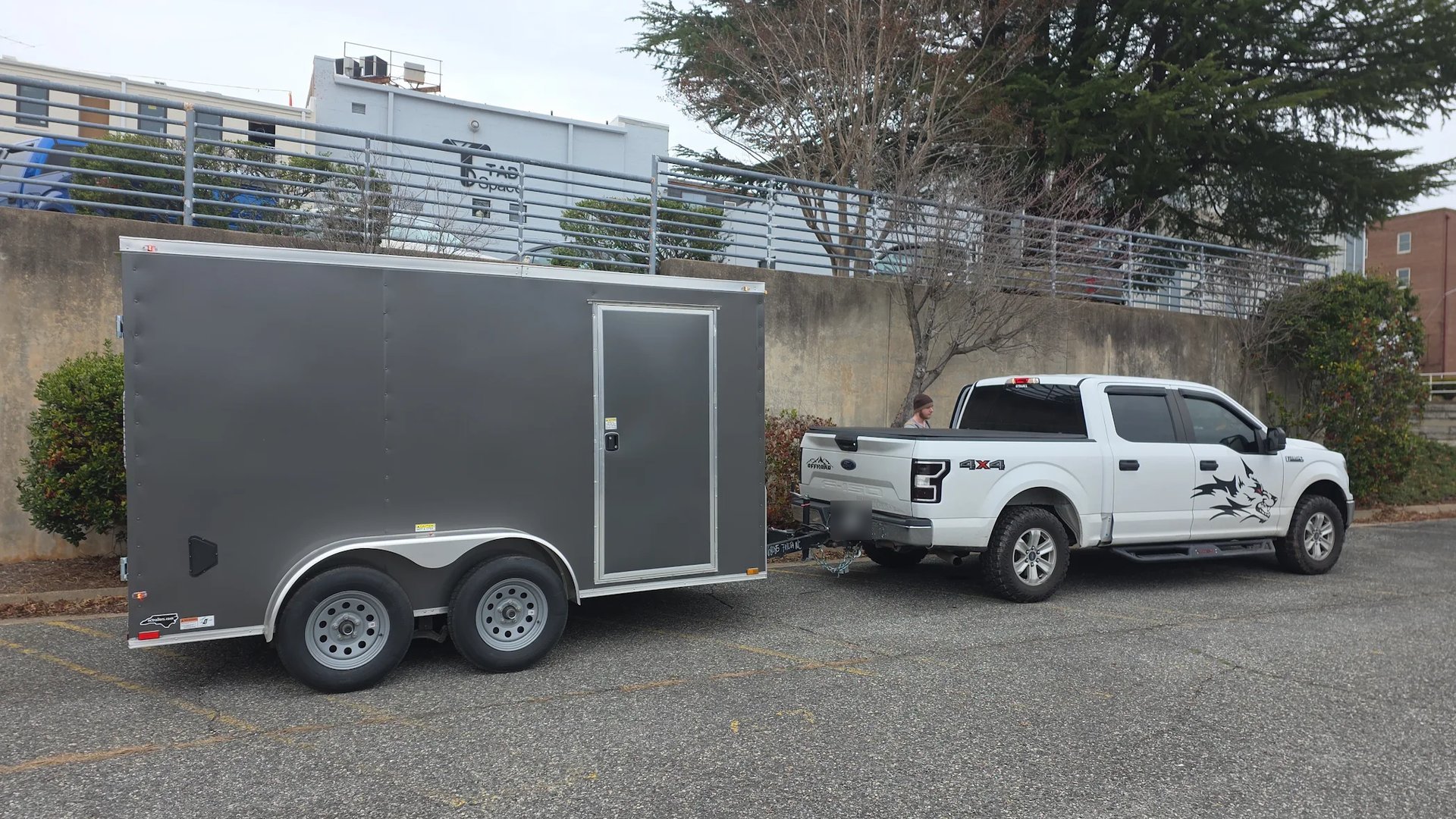
Before the next big job, take 15 minutes and walk around your trailer. Most of what leaves people stranded on the shoulder of I-85 or I-40 shows up in a walk-around if you know where to look. Here is what we would check.
Tires: Check the Pressure Cold and Check the Date
Set your tires to the maximum cold pressure printed on the sidewall. That number comes from the tire's load range, not the wheel size or the lug count, so go by the sidewall and not a chart. Check it before you pull out, while the tires are cold. Cool fall mornings read lower than a warm August afternoon, so a tire you set in the summer may be running low now.
While you are down there, find the DOT date code on the sidewall. The last four digits are the week and year the tire was made, so "3622" means the 36th week of 2022. Replace trailer tires at six years no matter how much tread is left. Trailers sit between jobs, and the rubber ages out long before the tread wears out.
Also look for sidewall cracks, bulges, and uneven wear. Uneven wear usually points to a loading, alignment, or pressure problem, and it won't fix itself. Don't forget the spare. Our tire pressure and lug nut torque guide walks through how to read the sidewall.
Lights: You Will Be Towing in the Dark More Often

Clocks fall back on Sunday, November 1. After that, a lot of you will be leaving before sunup and getting back after dark, which makes working trailer lights a bigger deal than they are in July.
Hook the trailer to your tow vehicle and have someone stand behind it while you test the running lights, brake lights, and both turn signals, plus the reverse lights if your trailer has them. If a light cuts in and out, the plug is the first place to look. A corroded connector is the most common cause. Clean the pins, look for pinched or chafed wire along the frame, and replace any cracked lenses. If you are chasing a problem you can't find, our light wiring troubleshooting guide is a good place to start.
Brakes and the Breakaway System
In most states, trailers that have a gross weight over 3,000 lbs are required to have brakes and a breakaway. Any trailer with brakes is required to have a breakaway system. If your trailer has brakes, pay attention on your first short drive. The trailer should slow down evenly with the truck and shouldn't push it when you stop. If it grabs, pulls to one side, or feels like it isn't doing anything, check your controller setting first. Our brake controller guide covers how to set it.
Then test the breakaway. With the trailer hooked up and parked, pull the breakaway pin. The trailer brakes should lock so the wheels won't turn. If they don't, the small 12-volt battery in the breakaway box on the tongue is the usual suspect. Charge it or replace it, and put the pin back in before you drive off.
Wheel Bearings: Every 6 Months or 12,000 Miles
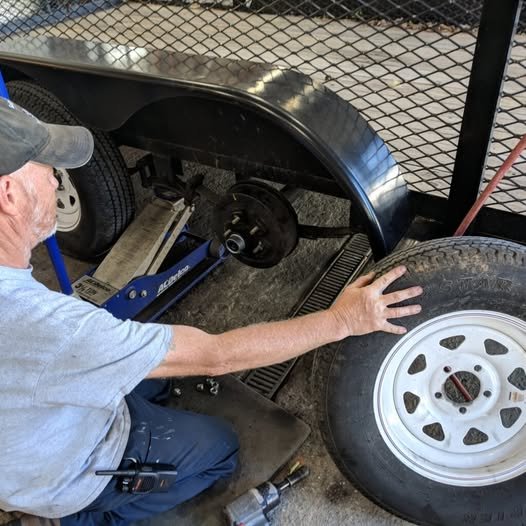
We service wheel bearings every 6 months or 12,000 miles, whichever comes first, on every trailer. Some axle makers list a longer interval. We go with the conservative one. If your last repack was in the spring, you are due now, and doing it in the fall means your hubs go into winter with clean grease instead of sitting on moisture for months.
Between services, jack each wheel off the ground and spin it by hand. Listen for grinding and feel for roughness. Then grab the tire at the top and bottom and rock it. Any play or clunk means the bearing needs attention before the trailer goes back on the road. After your first short tow, carefully check the hubs. If one is running noticeably hotter than the others, have it looked at.
Lug Nuts
Check your lug nuts with a torque wrench, not an impact gun, and tighten in a star pattern. The right number depends on your wheel and stud size, so look it up instead of guessing. Our torque chart lists the values by wheel size.
If a wheel came off this season for a tire change, a flat, or a bearing service, follow Dexter's re-torque schedule: re-torque after the first 10 miles, again at 25 miles, and again at 50 miles, then check periodically after that. Same thing on a brand new trailer. Wheels seat as you drive, and lug nuts that were tight in the shop can be loose a few miles down the road.
Coupler, Ball, and Safety Chains
The coupler size is stamped on the coupler itself: 1-7/8 inch, 2 inch, or 2-5/16 inch. Make sure the ball on your truck matches it. A 2 inch coupler will sit on a 2-5/16 inch ball and look hooked up, but the latch never really grabs, and the trailer can come off at the first hard stop. Check that the latch closes all the way, the locking pin is in, and the coupler jaw isn't worn.
Cross your safety chains under the tongue and hook them to the truck, with enough slack to turn but not so much that they drag. If the coupler ever lets go, the tongue lands in the crossed chains instead of on the road. Replace any chain with a stretched or bent link.
Ramps, Gates, and Tie-Down Points
Ramp gates and hinges take a beating during a busy season. Grease the hinge pins, check the spring assist if you have one, and look for cracked welds or bent ramps. On an enclosed trailer, check the door hinges, latches, and seals before the cold, wet weather shows up.
Go over every D-ring, stake pocket, and tie-down point and look for cracked welds or anything pulling loose. Replace straps that are frayed, cut, or sun-faded. A strap that has been sitting in the sun all summer is weaker than it looks.
Know What You Are Hauling
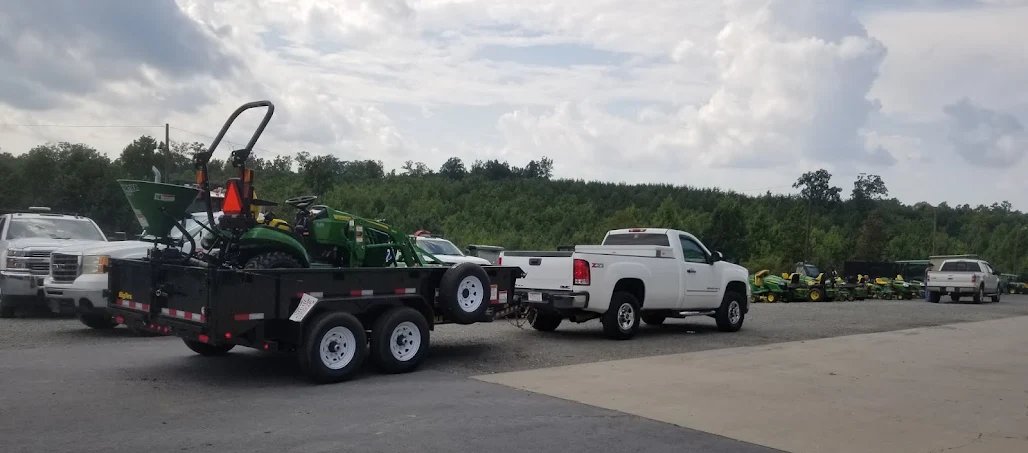
Firewood, wet leaves, and dirt are all heavier than they look. The GVWR is on the VIN tag, usually on the tongue, and the trailer plus everything on it has to stay under that number. Load about 60% of the weight in the front half of the trailer so you get proper tongue weight and don't fight sway on the highway. If you are regularly loading right up to the limit, that is a sign you need a bigger trailer, not a reason to push it.
Horse Trailers, Boat Trailers, and Campers Need a Fall Service Too
It is easy to think of fall service as a work trailer thing, but the trailers that sit the longest between trips are the ones that need it most. Our service department works on horse trailers, livestock trailers, boat trailers, campers, and RVs at both our Thomasville and Winston-Salem locations.
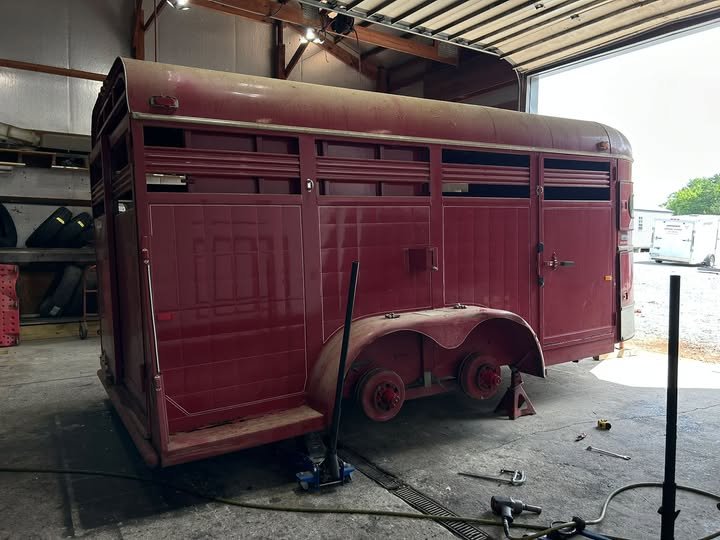
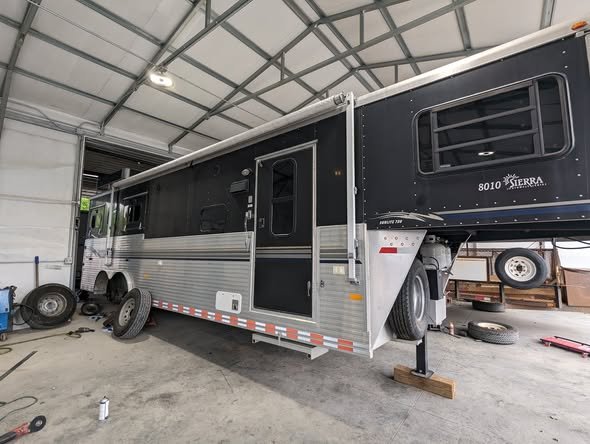
Horse and livestock trailers. Hauling season for shows, trail rides, and sales is winding down for a lot of folks, which makes this the time to pull the mats and check the floor. Horse urine is corrosive to both wood and steel, and a floor that looks solid from above can be rotted underneath. Clean it out, let it dry, and have the floor, brakes, bearings, and lights checked before it sits for the winter. Our horse and livestock trailer service page covers what we look at.
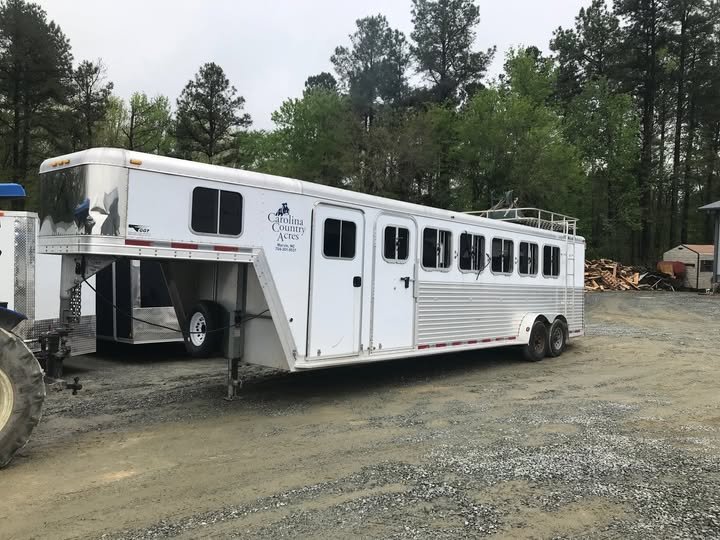
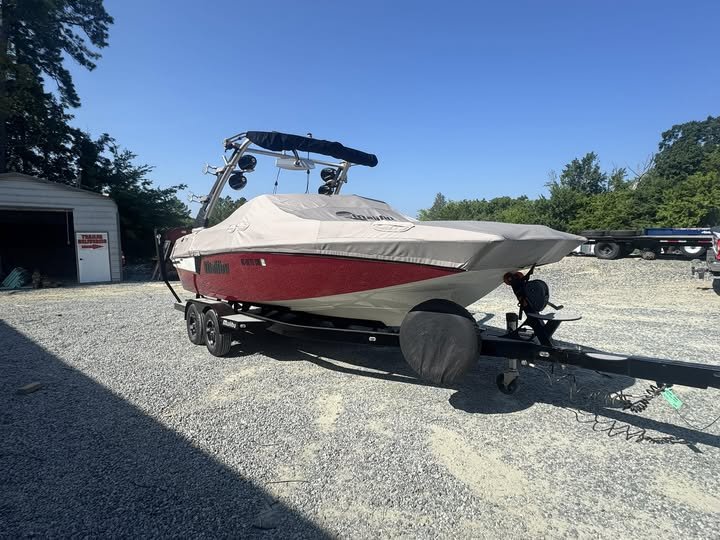
Boat trailers. When boating season ends, your trailer has spent months backing hot hubs into cold water, and that is how moisture gets past a seal. Boat trailers get the same bearing schedule as every other trailer, every 6 months or 12,000 miles, whichever comes first, but check the seals more often if the trailer goes in the water. Dunking is also hard on wiring, so test every light and clean the plug. If you have surge brakes, use DOT 3 brake fluid only. Our boat trailer inspection checklist goes through all of it.
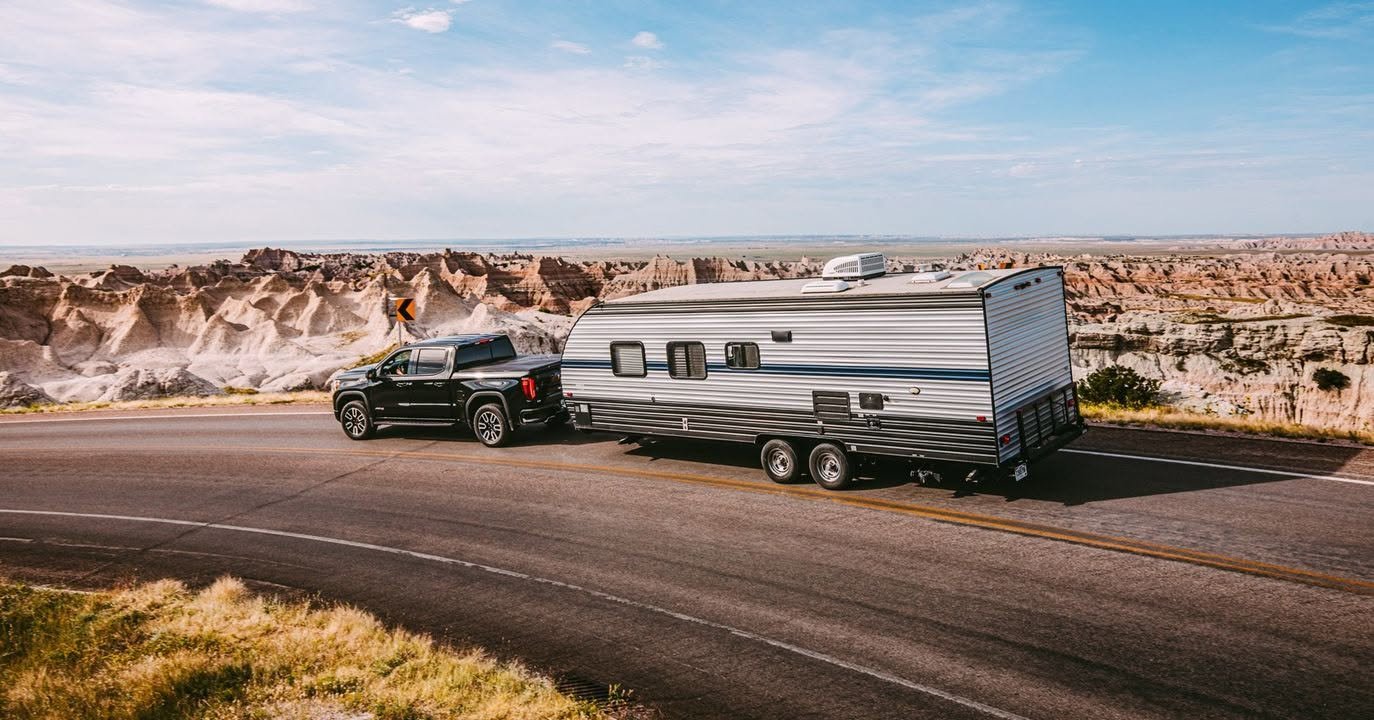
Campers and RVs. Get your camper winterized before the first hard freeze. Water left in the lines can freeze and crack plumbing, and that repair costs a lot more than the winterization does. While it is in, have the bearings, brakes, breakaway, and tires looked at too, since a camper's tires usually age out long before the tread is gone. We winterize RVs, campers, and concession trailers, so call ahead to get on the schedule.
We service these trailers, but we do not sell horse trailers, boat trailers, or campers.
Start Thinking About Winter
If your trailer will sit for a while once the busy season ends, a little prep now saves you a headache in the spring. Our winter trailer storage tips cover what to do before you park it. And if you run your trailer commercially, check the date on your annual DOT inspection sticker while you are out there.
If anything on this list turns up a problem you would rather not tackle yourself, like a wheel with play, brakes that won't engage right, or a wiring fault you can't trace, bring it to our service department. It is a lot cheaper to fix now than on the side of the road in December.
Is It Time for a New Trailer?
Sometimes the walk-around tells you the trailer just isn't keeping up anymore. Maybe it's too small for the jobs you are taking on now, or the repairs are starting to add up. We carry Horizon, Maxx-D, Nolan, Southland, Big Tex, and more at our Thomasville and Winston-Salem lots. Browse our inventory, and check out our financing and rent-to-own options. We accept all types of credit.
Want us to look your trailer over before winter?
Call us to set up service, or if you are shopping for something new, fill out the financing request just below and we will get right back to you.
 About the Author