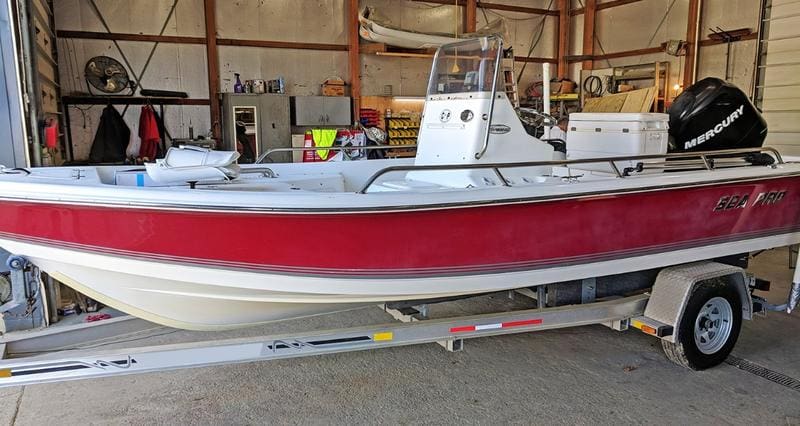
Boat trailers are among the most neglected pieces of equipment in recreational boating. They sit for months between seasons, get submerged at boat ramps, carry heavy loads over long distances, and rarely receive the same level of attention as the boat itself. That combination of hard use and low visibility makes them a frequent source of preventable breakdowns and roadside problems.
Whether you are heading into spring season or wrapping up after summer, knowing what your boat trailer needs and when to bring it in for professional service is one of the more practical things you can do to protect both the trailer and the boat it carries. This guide covers the most common repair needs, what to inspect yourself, and when DIY is not the right call.
Common Boat Trailer Problems That Lead to Failures
Most boat trailer failures fall into a predictable set of categories. Understanding them helps you know what to look for before a problem becomes a breakdown on the highway or a lost day on the water.
Wheel Bearings
Wheel bearing failure is the leading cause of boat trailer breakdowns. Every time you back a trailer down a boat ramp, the hot bearings contact cold water. That thermal shock draws moisture past the seals and into the bearing housing, where it displaces grease and accelerates corrosion. Over time, bearings that are not serviced regularly will overheat, seize, and in serious cases cause a wheel to separate from the trailer at highway speed. We recommend repacking with marine-grade grease every 6 months or 12,000 miles, whichever comes first, and heavy use or frequent launching warrants even more frequent attention. Some trailers use bearing buddy caps or oil-bath hubs that offer better moisture protection, but these still require periodic inspection.
Lights and Wiring
Trailer lights are required by law, and boat trailer lights take more abuse than most. Submerging incandescent bulbs repeatedly causes thermal shock that burns them out quickly. LED trailer lights are more durable in submersion environments, but even sealed LED assemblies degrade when wiring connectors corrode. The four-pin or seven-pin connector between the tow vehicle and trailer is a frequent failure point. Corrosion at the connector interrupts the circuit and can result in losing brake lights or running lights without warning. Inspect the full wiring harness annually, paying particular attention to any section of wire that runs close to the frame or experiences chafing.
Brakes
Surge brakes are the most common brake system on boat trailers. They activate hydraulically when the tow vehicle decelerates, using the forward momentum of the trailer to actuate the master cylinder. The hydraulic fluid in the surge actuator absorbs moisture over time, which lowers its boiling point and reduces braking effectiveness. Brake lines, wheel cylinders, and drum hardware are all vulnerable to corrosion from repeated water exposure. Electric brakes, when equipped, face similar corrosion risks at the magnets and drum surfaces. If your trailer’s brakes feel soft, delayed, or unresponsive, that is a professional service call, not a wait-and-see situation.
Bunks and Rollers
Bunks support the hull of the boat along its length and are typically covered with carpet or padded material. Over time the carpet wears, saturates with water and mildew, and can develop abrasive surfaces that damage the hull gelcoat. Bunk boards themselves can rot if they are wood and moisture gets trapped beneath the carpet. Rollers on roller-style trailers crack, harden, and flatten with age, creating contact points that can mark or dent softer hull materials. Check bunk condition annually and replace carpet or the full bunk board when wear or deterioration is visible.
Signs Your Boat Trailer Needs Service Now
Some warning signs are obvious. Others are easy to rationalize away until they become failures on the road. If you notice any of the following, the trailer needs attention before the next trip.
A wheel or hub that is noticeably hotter than the others after a drive is a bearing warning. Normal bearings run warm, but a hub you cannot comfortably touch after a short trip is running too hot. Grinding or rumbling sounds from the wheels that change with vehicle speed point to bearing wear. Any wobble in a wheel at speed, no matter how slight, requires immediate inspection.
Trailer sway that feels different from normal towing behavior can indicate a structural issue, an improperly loaded boat, or a tire problem. Tires that are low on pressure or visibly cracked on the sidewalls need replacement before the next haul. Trailer tires age out even when they have tread remaining. A tire that has been sitting in the sun for several seasons may look fine but have degraded rubber that is prone to sudden failure.
Any rust at welded joints on the frame, particularly at the tongue or crossmember welds, warrants a closer look. Surface rust on frame steel is common, but rust that has penetrated to the point of pitting or flaking at structural welds is a safety concern that should be assessed by a technician.
Seasonal Inspection Checklist
Running through a basic inspection at the start and end of each boating season catches the issues most likely to cause problems during peak use. This is not a substitute for professional service, but it is a practical first pass that takes less than an hour.
Check all tires for pressure, tread depth, and sidewall condition. Spin each wheel by hand with the trailer unhitched to feel for roughness or resistance in the bearings. Inspect the wiring harness from the connector back to the lights, looking for chafing, corrosion, or bare wire. Test every light function before hitching the trailer. Inspect the coupler and safety chains for wear and proper function. Look over the bunk boards or rollers for surface condition and secure attachment. Verify the winch strap or cable is in good condition and the winch operates smoothly.
If anything on that list is out of spec or raises a question, schedule service before the first launch of the season rather than after. Finding a problem at the ramp or on the highway is a worse outcome than spending an hour in the service bay.
Professional Service Versus DIY: Where the Line Is
Some boat trailer maintenance tasks are within reach for an owner with basic mechanical experience and the right tools. Replacing a burned-out light bulb or LED assembly, cleaning and treating a corroded connector, or swapping worn bunk carpet are all reasonable DIY jobs. Replacing a coupler latch or safety chains is also manageable with standard hardware and hand tools.
Bearing repacking requires the right grease, the right tools for removing the hub, and the knowledge to inspect the bearing races and spindle for wear. It is doable for someone who has done it before, but a first-timer working on a highway-speed application should get guidance or have it done professionally. Brake system work, frame welding, axle replacement, and any structural repair should go to a qualified trailer technician.
NC Trailers’ service department handles boat trailer repairs at both the Thomasville and Winston-Salem locations. Whether you need a bearing service, a full pre-season inspection, or a brake system evaluation, the team has the equipment and experience to work on boat trailers alongside the other trailer types they service daily. You can learn more about the service department’s capabilities at the NC Trailers service page.
Take Care of the Trailer, and the Trailer Takes Care of the Boat
A boat trailer that is maintained properly is one you can rely on without thinking about it, which is exactly how it should be. The bearings do their job, the brakes work when you need them, and the lights keep you legal on the road. Boaters in North Carolina dealing with trailer service needs or looking at a pre-season inspection can reach NC Trailers’ service team at either location to schedule an appointment.
If your current trailer is at the end of its service life and you are thinking about replacing it, NC Trailers carries a range of trailer types to match different hauling needs. Financing is available through the trailer financing page for qualified buyers.
Need your boat trailer looked at?
Call us, stop by either lot, or fill out the financing request just below and we will get right back to you.
 About the Author