Financing a trailer is one of the most accessible ways for buyers to invest in the equipment they need without paying the full purchase price upfront. Whether purchasing an enclosed trailer for business use, a utility trailer for a landscaping company, a dump trailer for construction work, or a car hauler for a growing automotive operation, many customers choose financing because it allows them to preserve cash flow while upgrading their hauling capabilities. At NC Trailers, shoppers frequently ask what kind of credit is needed to qualify for a trailer loan and how lenders evaluate applications. Understanding these requirements can help buyers prepare, avoid surprises, and secure the best terms available.
Credit is one of the most important factors in trailer financing, but it is not evaluated in isolation. Lenders review several elements of a borrower’s financial picture to determine the level of risk involved. This begins with the credit score itself. While every lender sets its own thresholds, most trailer financing programs approve borrowers across a wide range of credit profiles. Strong credit makes approval easier and often leads to lower interest rates, but even buyers with imperfect credit may still qualify for financing with the right supporting documentation.
Many buyers who visit NC Trailers ask whether a minimum score is required. In general, a credit score in the mid-600s or higher is considered favorable for trailer loans. Borrowers with scores above 700 typically receive more competitive financing terms. However, buyers with lower scores may still be approved by lenders that specialize in subprime or credit‑challenged financing. These lenders consider employment history, stable income, time at residence, and debt‑to‑income ratio when determining approval. A consistent work history can help offset weaker credit, especially if the borrower demonstrates the ability to make regular payments.
Income verification is another important component. Lenders want to ensure that borrowers can comfortably manage payments alongside existing financial obligations. Pay stubs, tax returns, or bank statements are commonly requested depending on the buyer’s employment type. Self‑employed buyers, including many landscapers, contractors, and mobile service providers who purchase equipment trailers, may need to supply additional documentation. Showing regular cash flow helps lenders feel confident in extending credit.
Down payments also influence credit requirements. A buyer with marginal credit may secure approval with a larger down payment because it reduces the lender’s risk. In contrast, buyers with stronger credit may qualify for little or no money down depending on the trailer type and lender program. Many NC Trailers customers use a down payment strategically to reduce interest charges, shorten loan terms, or lower monthly payments. Even a modest down payment can have a meaningful impact on overall loan affordability.
The type of trailer being financed can also affect approval. Heavy‑duty units like dump trailers, equipment trailers, or gooseneck trailers generally represent higher loan amounts, which may require stronger credit or a larger down payment. Smaller units, such as landscape and utility trailers, often fall into more flexible approval ranges. NC Trailers carries a wide selection across all categories, including dump trailers, equipment and tilt trailers, and gooseneck trailers, giving buyers multiple price points and financing options to choose from.
Borrowers frequently ask whether applying for trailer financing will impact their credit score. A single hard inquiry has a minimal effect for most people. Applying with multiple lenders over a short window typically counts as one inquiry, allowing shoppers to compare offers without damaging their credit. Working with a dealership like NC Trailers is beneficial because they partner with over 20 lenders, making it easy for buyers to submit one application and receive multiple financing options.
Debt‑to‑income ratio (DTI) plays a significant role in loan approval as well. Lenders prefer borrowers whose monthly obligations represent a manageable portion of their income. Even buyers with strong credit scores may have difficulty securing approval if their existing debts are too high relative to income. Paying down credit cards or consolidating debt before applying can improve both approval chances and interest rate offers.
For buyers seeking the most favorable financing terms, preparation is key. Reviewing your credit report before applying helps identify errors or outdated information that may be lowering your score. Paying bills on time in the months leading up to the application demonstrates reliability and can help improve your overall creditworthiness. Some buyers choose to pre‑qualify for financing to understand their loan range before selecting their trailer, making the purchase process more efficient when they visit NC Trailers.
One advantage of trailer financing is that lenders often treat trailers as secured assets, using the trailer itself as collateral. This reduces lender risk and makes approval more attainable compared to some unsecured loan products. Because secured loans typically offer better interest rates and longer terms, buyers can select higher‑quality brands knowing that the investment is financially manageable. Popular brands available through NC Trailers—such as Big Tex, Air‑Tow, and RawMaxx—offer exceptional durability and hold their value well, which lenders view favorably.
For business owners, financing can also be a strategic tool. A trailer is an income‑producing asset, and financing allows companies to deploy cash in other areas such as payroll, marketing, or equipment upgrades. This is especially helpful for landscapers, general contractors, and mobile service providers who rely on their landscape and utility trailers or equipment trailers daily. Many lenders approve commercial‑use trailer loans even for small or newly formed businesses, provided the borrower meets minimum credit criteria.
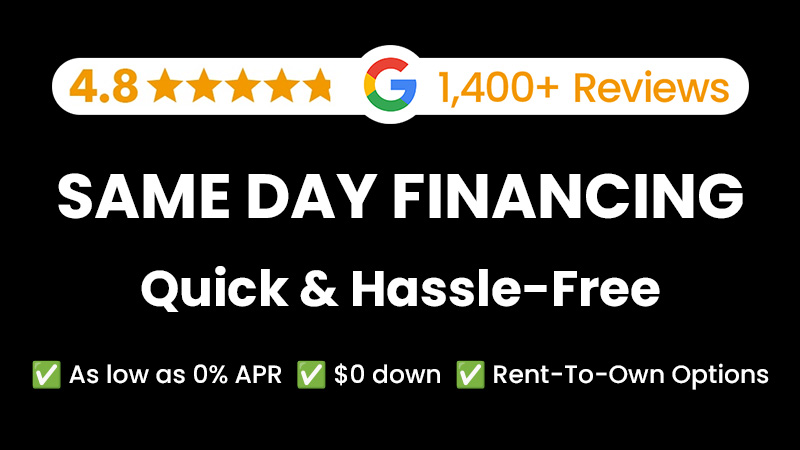
Borrowers with less‑than‑ideal credit still have options. NC Trailers accepts all credit types, and when traditional financing is not a fit, rent-to-own is a no-credit-check option. Offering a co‑signer with stronger credit can increase approval odds and reduce interest rates. Demonstrating a history of on‑time payments for other obligations, such as rent or vehicle loans, may also help borrowers present a positive profile to lenders. Providing a larger down payment or choosing a lower‑priced trailer can further improve approval chances.
The most important takeaway is that every lender evaluates applications differently. Working with a dealership that understands the financing landscape can make the process more efficient and transparent. NC Trailers connects customers with reputable financing partners and helps them understand the requirements before submitting an application. This guidance ensures buyers choose the best financing path for their needs.
For anyone ready to upgrade their hauling ability—whether purchasing a cargo trailer, equipment trailer, or dump trailer—financing is an excellent way to move forward without delaying essential work. Understanding how credit requirements influence the process empowers buyers to make informed decisions and secure a trailer that supports both their business and long‑term financial goals.
Ready to find out what you qualify for?
Call us, stop by either lot, or fill out the financing request just below and we will get right back to you.
 About the Author