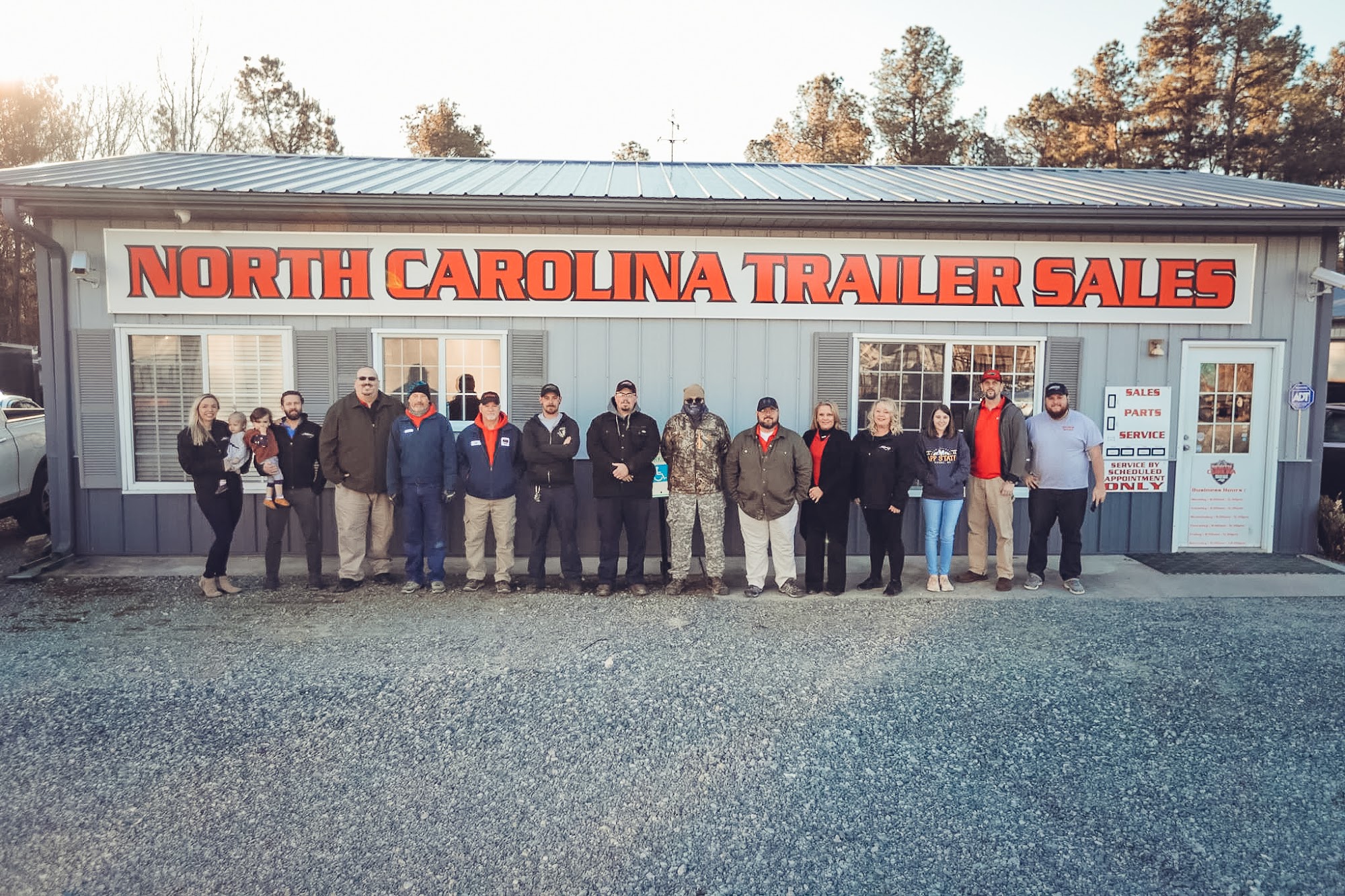

Most trailer problems fall into one of two buckets: the ones you can fix in your driveway on a Saturday, and the ones where doing that yourself makes it worse or gets somebody hurt. Knowing which bucket you are in before you pick up a wrench, or the phone, saves money on both ends. NC Trailers runs service shops in Thomasville and Winston-Salem and sees the same calls come through week after week, so here is how we sort them.
Trailer type matters less than you would think. A utility trailer, an enclosed cargo trailer, and a dump trailer share the same basic systems: wiring, bearings, brakes, and a frame or floor that takes wear. The decision below applies across all of them. If you want the full hands-on walkaround first, our post on what to check before you call a shop goes through it point by point.
The Line Between a Driveway Fix and a Shop Job
The useful test is whether the part carries load or stops the trailer. Lights, connectors, grounds, and minor hardware do neither, so a mistake there is an annoyance. Axles, hubs, brakes, couplers, and the frame carry the trailer's weight or the force needed to stop it, and getting one of those wrong is something you find out about at 60 miles an hour.
| Job | DIY or Shop | Why |
|---|---|---|
| Bulb, lens, or connector replacement | DIY | No load, no braking force, and the failure mode is a light that does not work |
| Cleaning a corroded ground | DIY | Usually the actual cause when several lights quit at once |
| Repacking a bearing that has not failed | DIY if you are comfortable | Doable with hand tools, but contamination or wrong torque undoes the whole job |
| Coupler or ball swap | DIY with care | Simple hardware, but it is the one connection between your truck and the trailer, so get the size right |
| Wiring that keeps failing after you checked grounds | Shop | Intermittent faults inside a harness need a meter and time you will not enjoy spending |
| Brakes, brake controller, or hydraulics that will not hold pressure | Shop | Stopping power, plus systems that need to be bled and tested properly |
| Anything on the axle | Shop | See the axle note below. A bent axle gets replaced, not repaired. |
| Cracked welds, soft or separating floor, frame rust | Shop | Structural. Surface rust and metal loss look similar and are not the same problem. |
The Axle Is Not a DIY Repair
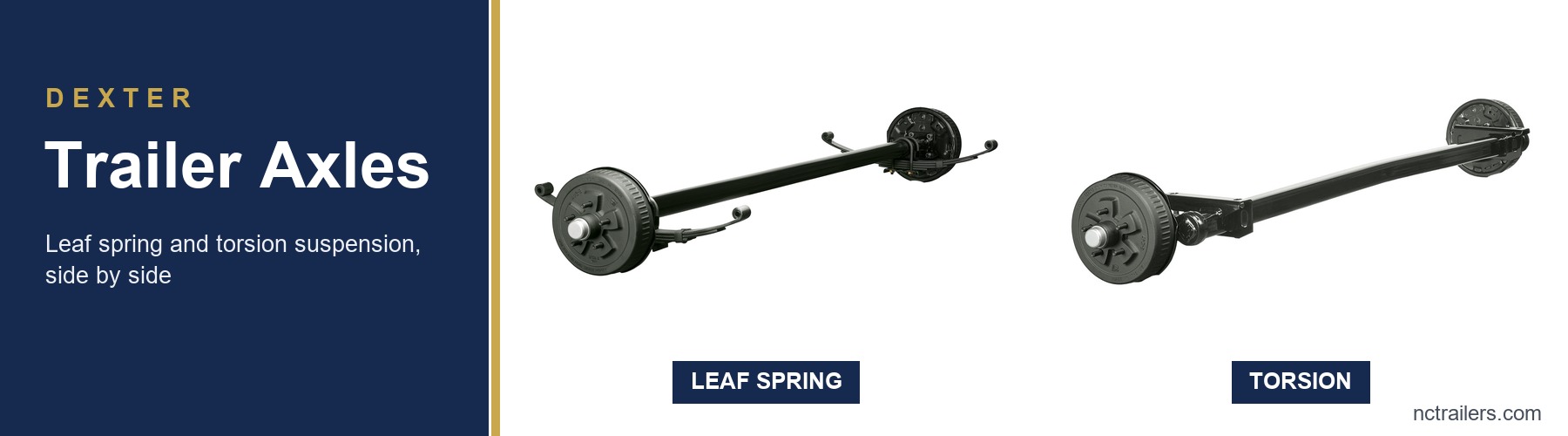
This one comes up constantly, so it is worth being direct. Torsion axles cannot be repaired if they are bent, only replaced. On a spring axle, welding a spindle or straightening the tube is technically possible and some shops will quote it, but a welded spindle rarely comes back to factory alignment and you pay for that later in uneven tire wear, and straightening pushes the steel past its yield strength a second time, so the bend ends up weaker than it left the factory. By the time you have paid for either one you are near the cost of a new axle and you have a worse trailer. We replace them, and we would tell you the same thing if you called us from another shop's parking lot.
Seasonal Wear Patterns in North Carolina
Piedmont humidity is hard on wiring, connectors, and exposed hardware, which is why electrical calls run higher here than in a dry climate. Winter road treatment adds salt to the mix on trailers that travel treated roads, and salt goes after frames, brake components, and wiring faster than humidity alone. If you tow through winter or your trailer lives outside year-round, put wiring and undercarriage on a shorter inspection cycle than the manual suggests.
Trailers parked under trees or in range of a sprinkler collect moisture even in good weather. A rinse and a dry-out after a wet trip, plus a look at the connectors a few times a year, slows down most of what humidity and road salt would otherwise do.
While you are under there, check the tire date codes. Trailer tires age out before they wear out, and the replacement interval is six years from the date code no matter how good the tread looks. A trailer that sits between jobs is exactly the one this catches.
What to Ask a Shop Before You Book
Ask whether they stock common parts for your trailer's brand and axle type or have to order them, because that is the difference between a same-week repair and a two-week wait. Ask for a rough estimate based on what you already found yourself. Confirm they handle both the mechanical and the electrical side, since plenty of shops do one and subcontract the other. If the trailer is still under manufacturer warranty, confirm the shop can do warranty work before you pay out of pocket for something that was covered.
It is fair to ask how much of their work is actually trailers. A shop that services trailers all day, rather than as a sideline to automotive work, is more likely to have your parts on the shelf and to have seen your failure before.
NC Trailers' Service Locations and What We Handle In-House
We handle wiring, lights, brakes, bearings, axles, flooring, and frame work at both locations, and our shop does build-out work too: we install and service generators, and install propane, electrical, appliances, plumbing, and bathrooms. That is our own techs, not a subcontract. We also service trailers we do not sell, including boat trailers, campers, RVs, horse trailers, and livestock trailers.
If wiring is the issue, our guide to troubleshooting trailer light wiring problems walks the same connector and ground checks in more depth, and our post on why axle service matters covers bearings and axles specifically. The full trailer service lineup is on our site. Call ahead with what you found and we can have the parts ready before the trailer gets here.
Not sure if it is a driveway fix or a shop job?
Call us, stop by either lot, or fill out the financing request just below and we will get right back to you.
 About the Author