

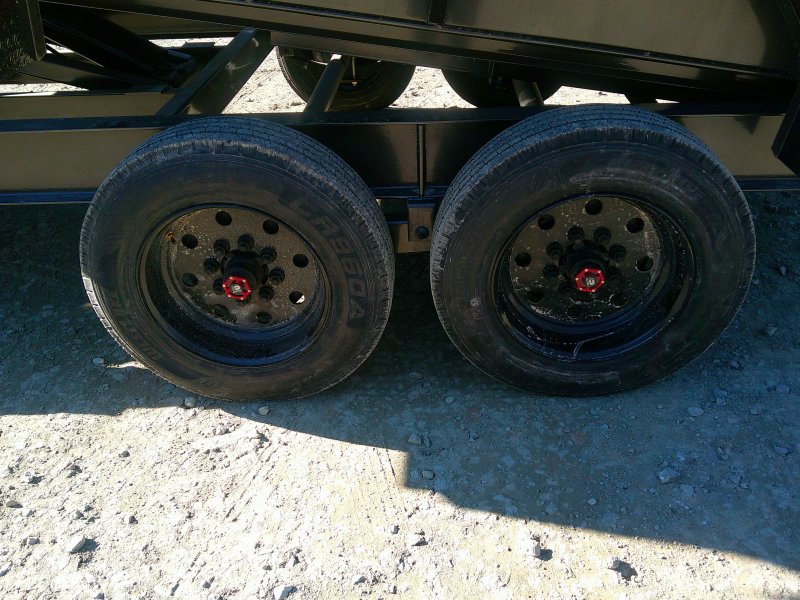
Tire safety is one of the most critical but overlooked aspects of owning a trailer. Whether hauling equipment for a jobsite, transporting materials for a landscaping business, or towing an enclosed unit for daily operations, tires determine how safely and efficiently a trailer performs on the road. Despite their importance, many trailer owners in North Carolina only inspect their tires when a problem occurs. Regular tire checks help prevent blowouts, uneven wear, poor handling, and costly downtime—issues that can easily be avoided with proactive maintenance. At NC Trailers, customers purchasing new or used units—whether from the utility and landscape trailer inventory or the equipment trailer selection—often benefit from learning how proper tire care supports safer towing and longer trailer life.
Understanding the role tires play in trailer performance begins with recognizing how different trailer types place unique demands on their wheels and axles. Equipment trailers carry concentrated loads such as tractors, skid steers, and compact machinery. Dump trailers experience shifting weight during travel, especially when hauling gravel, dirt, or debris. Enclosed trailers generate additional wind resistance and require stable tire pressure for predictable handling. Even lighter-duty utility trailers place consistent strain on their tires when operated daily for landscaping, service calls, or local deliveries. No matter the style, the tires form the only contact point between the trailer and the road, making their condition vital for safe operation.
One of the most important checks any trailer owner can perform is verifying tire pressure. Underinflated tires generate excessive heat, wear out faster, and significantly increase the risk of a blowout. Overinflated tires reduce traction, stiffen handling, and cause irregular tread patterns. The correct pressure is always listed on the tire sidewall and should be checked before every haul. Tire pressure fluctuates with temperature, meaning early-morning cold readings differ from mid-afternoon values. Busy business owners—especially those using dump, equipment, or enclosed trailers for commercial operations—should keep a high-quality tire gauge in their tow vehicle and incorporate pressure checks into their regular towing routine.
Tread depth is another essential factor in tire safety. While passenger vehicle tires can sometimes operate safely with moderate wear, trailer tires have different construction and loading behavior. Once tread depth falls below safe levels, traction decreases, and the tire becomes more vulnerable to punctures, heat buildup, and tread separation. Trailer owners who frequently use their units for heavier-duty tasks—such as operating equipment trailers or dump trailers—should inspect tread depth more often than occasional recreational users. Uneven wear patterns may indicate improper loading, axle misalignment, or incorrect tire pressure, all of which should be corrected promptly to prevent further damage.
Sidewall inspections are equally important. Trailer tires endure substantial flex due to weight distribution and road conditions. Any sign of cracking, bulging, exposed cords, or dry rot means the tire must be replaced immediately. North Carolina’s hot summers accelerate sidewall wear, especially on trailers stored outdoors. UV exposure, heat expansion, and moisture can weaken the rubber over time. Owners of enclosed trailers or landscape trailers often protect their units with covers or shade structures, but even occasional exposure can take a toll. Inspecting sidewalls regularly prevents failures that typically occur under load or at highway speed.
Load rating is another area many trailer owners overlook. Every tire has a specific capacity indicating how much weight it can support. When trailer owners upgrade or modify their units—such as adding shelving inside an enclosed trailer or installing heavier equipment on an equipment trailer—they may accidentally exceed their tire load ratings. This mismatch creates stress that even new tires cannot withstand. Before purchasing or upgrading a trailer, buyers should reference the load specifications listed on the trailer’s VIN tag and match them to the tires installed. NC Trailers helps customers verify these ratings when they purchase trailers across their dump trailer inventory or other heavy-duty categories, ensuring the tire configuration aligns with the trailer’s hauling capacity.
Another critical area of tire maintenance is ensuring proper wheel torque. Lug nuts loosen naturally over time due to vibration, changes in temperature, and repeated loading cycles. If wheel torque drops below specification, the wheel can shift on the hub or detach entirely—one of the most dangerous types of trailer failures. New trailers need the lug nuts re-torqued after the first 10 miles, again at 25 miles, and again at 50 miles, then checked periodically after that. Do the same any time a wheel comes off and goes back on. Owners who use equipment or dump trailers for demanding work should check torque more frequently, especially after extended trips or hauling heavy loads. Weight distribution also affects tire longevity and safety. Loading a trailer unevenly increases stress on one side, causing premature wear and stability issues. Dump trailers, in particular, experience shifting weight that can affect tire balance during travel. Enclosed trailers may become front‑ or rear‑heavy depending on how cargo is organized inside. Proper loading places the majority of the weight slightly forward of the axles, maintaining stable tongue weight and predictable towing behavior. NC Trailers offers guidance for customers selecting from their equipment trailer lineup because correct load distribution is essential when transporting machines or vehicles.
Long-term tire health also depends on proper storage. Many trailers sit idle for weeks or months at a time, especially seasonal-use units like landscaping trailers. Extended periods of inactivity cause flat-spotting, dry rot, and internal rubber separation. Storing trailers on clean, level surfaces and using tire covers reduces UV exposure and moisture damage. Rotating the trailer slightly every few weeks prevents flat spots that form when the tire remains in one position for too long. Businesses that rely on enclosed trailers for daily operations benefit from building storage routines into their maintenance schedules to preserve tire structure and extend service life.
Finally, routine tire maintenance reduces operational costs. Replacing tires prematurely can become expensive for businesses using multiple trailers across their fleet. Proper inspections help owners identify early signs of trouble and correct problems before they cause downtime or costly repairs. Regular maintenance also supports safer towing conditions, reducing the risk of accidents and improving overall performance. Whether hauling equipment, supplies, goods, or materials, trailer tires must remain in good condition to protect the investment in both the trailer and the cargo it carries.
NC Trailers continues to support North Carolina’s commercial operators by offering reliable utility, dump, enclosed, and equipment trailers designed for heavy-duty use. With a strong emphasis on safe towing practices, they help customers select the right trailer class for their needs and understand the maintenance steps that keep their trailers operating safely year after year. From choosing the proper tire load rating to establishing consistent inspection routines, trailer owners can take simple, proactive steps that dramatically improve on‑road performance and reduce long-term costs. A well‑maintained tire not only supports the trailer’s structure but protects every mile of the journey ahead.
 About the Author