
For landscaping contractors in North Carolina, spring is the most compressed period of the year. Accounts resume, crews reassemble, and schedules fill quickly. The last thing a landscape business needs in March or April is a trailer that was not checked over properly sitting in a service bay while work piles up.
A landscape trailer that sat through winter storage accumulated a predictable set of problems: pressure-dropped tires, seized or corroded components, wiring connections that oxidized, and hardware that needs lubrication before it operates smoothly again. Working through this checklist before the first job of the season catches those issues when fixing them is convenient rather than urgent.
Why Winter Storage Is Harder on Trailers Than on Trucks
Trucks get driven through the winter. Landscape trailers typically do not, which means they sit under static load for months without the benefit of moving parts being exercised. That idle period is not neutral for trailer components.
Tires under a static load for an extended period develop flat spots on the contact area and lose pressure through normal permeation. Wheel bearing grease can harden and separate from the bearing surfaces over a long idle period. Electrical connectors and wiring connections corrode during winter months, particularly if the trailer was stored outdoors. Ramp hinges, coupler mechanisms, and other moving hardware stiffen without use.
None of these issues are serious if caught at the start of the season. Several of them can cause roadside problems or safety concerns if they go unaddressed through the first weeks of spring work.
Tire Inspection and Pressure Check
Start the spring inspection with the tires. Check pressure on all tires with a gauge and inflate to the specification on the sidewall or in the trailer documentation. Trailer tires lose pressure over the winter without being noticed because they are not driven. A tire that looks adequately inflated may be 10 to 15 PSI low.
After inflating, inspect the sidewalls carefully for cracking. Fine surface crazing is common on tires that have been exposed to UV and temperature swings. Deep cracking that runs from the bead toward the tread area indicates structural degradation that warrants replacement before the season starts. Check the DOT date code stamped on the sidewall to determine the tire’s age. Trailer tires that are five or six years old and will see heavy daily commercial use are worth replacing at the start of the season rather than mid-season when a failure means a missed job.
Spin each wheel by hand with the trailer unhitched and the wheel elevated. A properly serviced bearing spins smoothly with no roughness or grinding. Any wheel that shows resistance, roughness, or noise during this check has a bearing that needs inspection before the trailer goes on the road.
Bearing, Brake, and Axle Checks
Wheel bearings and brake components are the two mechanical systems most affected by an extended idle period and the most consequential if they fail during the season.
Wheel Bearings
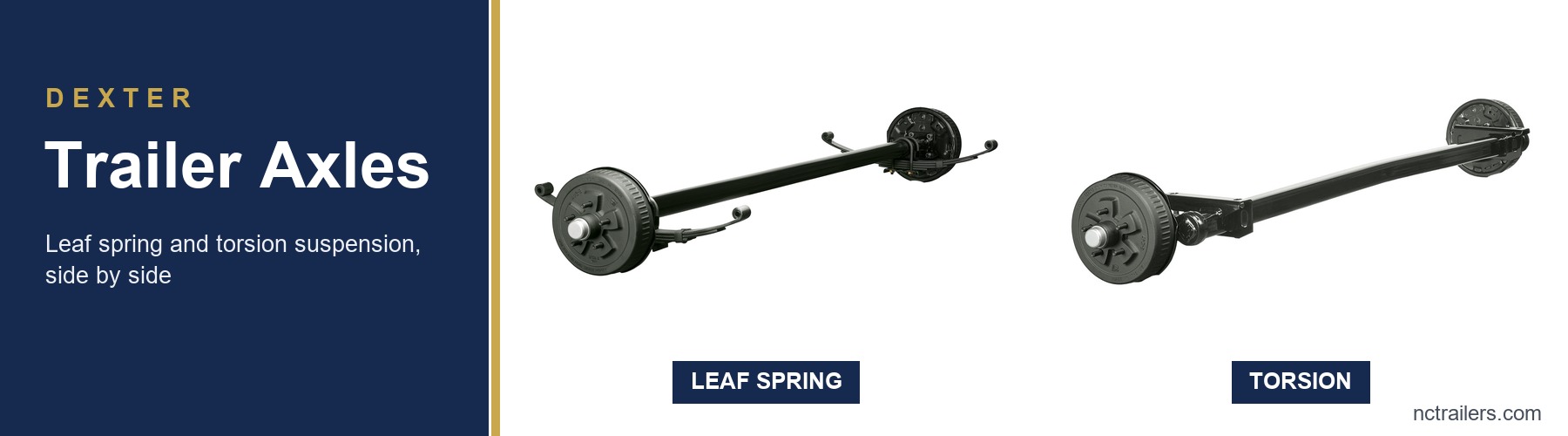
If the trailer received its annual bearing service at the end of last season, a spin check and visual inspection of the hub seals is the appropriate spring check. If last season’s bearing service was deferred or you are not certain when the bearings were last repacked, spring is the time to have them inspected and serviced. Bearings that go into a heavy season with inadequate grease coverage or moisture contamination from winter storage are a failure risk. A bearing repack at a qualified service shop before the season is a predictable, budgetable cost. A roadside bearing failure in June is neither.
Electric Brake System
If the trailer is equipped with electric brakes, verify the brake controller in the tow vehicle is functioning and set correctly for the trailer’s loaded weight. Connect the trailer, drive slowly in a safe area, and make several controlled stops to confirm the brakes are engaging. A trailer that pushes the tow vehicle under moderate braking has a brake issue that needs attention before the season starts. Inspect the brake magnets and drum surfaces for rust buildup from the idle period. Surface rust on drum brakes is common after winter storage and typically works off within the first few stops, but heavy corrosion warrants a closer inspection.
Gate Hinges, Ramps, and Deck Condition
The ramps and gate hardware of a landscape trailer take more abuse per square inch than any other component, and they need specific attention at the start of each season.
Operate the ramps through their full range of motion before loading anything. Ramp hinges that stiffen over winter need lubrication before they are put under daily load. Any hinge that shows cracking at the weld, binding during operation, or significant play in the pivot should be addressed before the season starts. Cracked hinge welds that were marginal going into winter often fail completely under spring loading.
Inspect the deck surface for any loose hardware, shifted deck boards, or sections of expanded metal or bar grating that developed sharp edges or loose sections over the winter. Walk the full deck surface and check that all tie-down D-rings or pipe rails are secure and show no cracking at the weld points.
Touch up any bare steel exposed by rust or physical damage with a rust-inhibiting primer before the season begins. Surface rust that is not treated spreads through the season and becomes a more significant corrosion issue by fall.
Lighting and Wiring Inspection
Electrical connections on trailer wiring harnesses corrode over winter storage, particularly at the four-pin or seven-pin connector between the trailer and tow truck. Corrosion at this connector causes intermittent light failures that may not be apparent until the trailer is on a public road.
Connect the trailer to the tow vehicle and test every light function before the first job of the season: brake lights, running lights, left and right turn signals. Clean the connector contacts with electrical contact cleaner if corrosion is present and apply dielectric grease to protect against future oxidation.
Walk the full wiring harness from the connector back to the lights, looking for any section of wire that shows chafing against the frame, cracked insulation, or bare copper. Any section of wire showing bare copper should be repaired before the trailer goes on the road. Wiring that is borderline going into a heavy season rarely improves on its own.
When to Schedule Professional Service Before the Season Heats Up
Most of the items on this checklist are within reach for a landscaper with basic mechanical familiarity. Tire inflation, light testing, connector cleaning, deck hardware tightening, and ramp lubrication are all owner-level tasks. The items that belong in a professional service bay are bearing repacking, brake system adjustment or replacement, frame welding, and axle-related repairs.
The most important scheduling consideration is timing. Spring service demand at trailer shops spikes in March and April as every landscaping operation tries to get trailers ready at the same time. Booking a service appointment in February, while the trailer is still in winter storage, means shorter wait times and a higher likelihood of having the trailer back before the first client calls.
NC Trailers’ service department handles landscape trailer repairs and pre-season inspections at both the Thomasville and Winston-Salem locations. More information on scheduling service is at the NC Trailers service page.
If the Trailer Is Not Worth Another Season of Repairs
Spring inspection sometimes reveals a trailer that has reached the point where repair costs no longer make economic sense. A frame with significant structural rust, axles that need replacement, or a deck that needs full replacement are signs that the trailer has reached the end of its practical service life.
NC Trailers carries landscape and utility trailers from brands including Big Tex Trailers at both locations. The landscape and utility trailer inventory page shows what is currently in stock. For landscaping businesses replacing a worn-out trailer before the season, financing through NC Trailers’ lender network makes the transition more manageable without a large upfront cash outlay. More information is on the trailer financing page.
Landscaping contractors from across North Carolina, including crews from the Charlotte, Greensboro, and Raleigh areas, visit both NC Trailers locations to get trailers serviced and to evaluate replacement options before the busy season begins.
 About the Author