
Landscape utility trailers make hauling equipment, furniture, or landscaping materials easier and more efficient. Many people choose these trailers because they can attach to most trucks or SUVs and come in a range of sizes and styles. Buyers can find both new and used options, which helps them match their needs and budget.
Shopping for a utility landscape trailer typically involves considering weight limits, loading options, and safety features. Understanding what to look for helps buyers avoid costly mistakes and get the right trailer for their tasks. With the right information, anyone can make a smart purchase and get more done each day with less hassle.
Landscape Utility Trailers Overview
Landscape utility trailers come in many styles and are used for hauling tools, equipment, and other cargo. Buyers can choose from different types, features, and conditions to find a trailer that fits their needs, budget, and towing vehicle. For a current selection, check out our utility trailer inventory.
Types of Utility Landscape Trailers
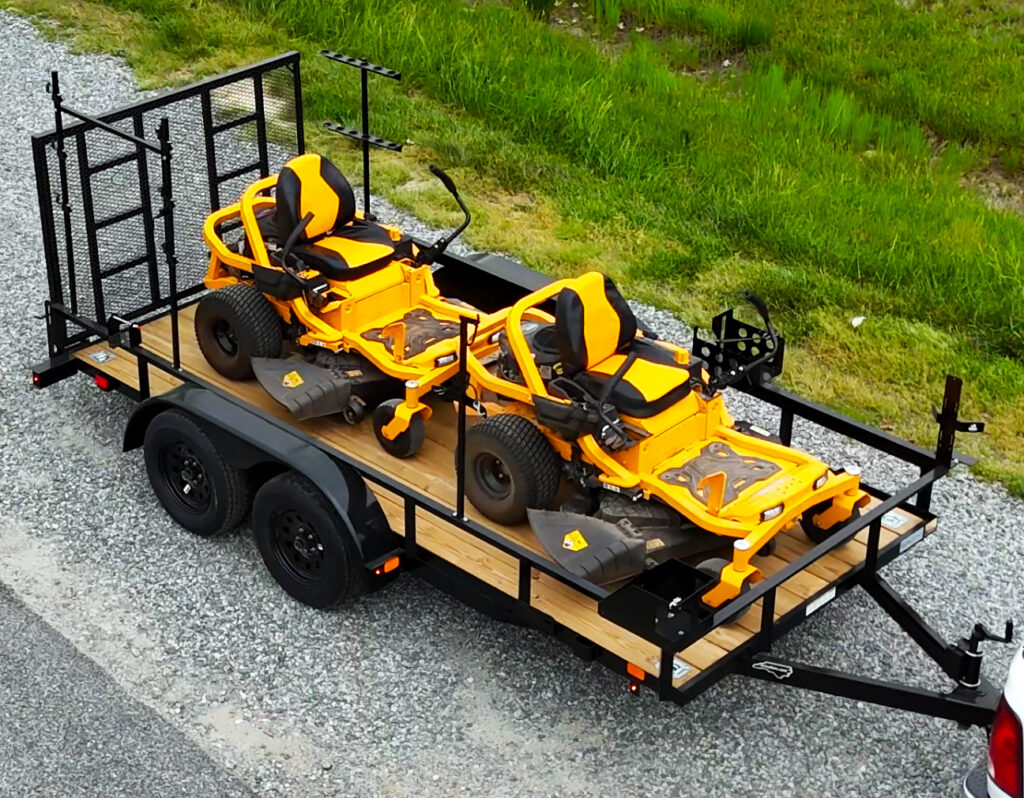
Open landscape utility trailers are lightweight and easy to load. They are great for carrying lawnmowers, building materials, and bikes.
Single axle trailers are easier to maneuver but hold less weight. Tandem axle trailers offer better balance and can carry heavier loads. Some utility trailers have ramp side gates for easy loading/unloading, while others may have mesh or wood sides for added functionality like carrying straw, pine needles, mulch, or debris.
Common types and uses
- - Open Utility: Yard work, general hauling (1,000–3,000 lbs)
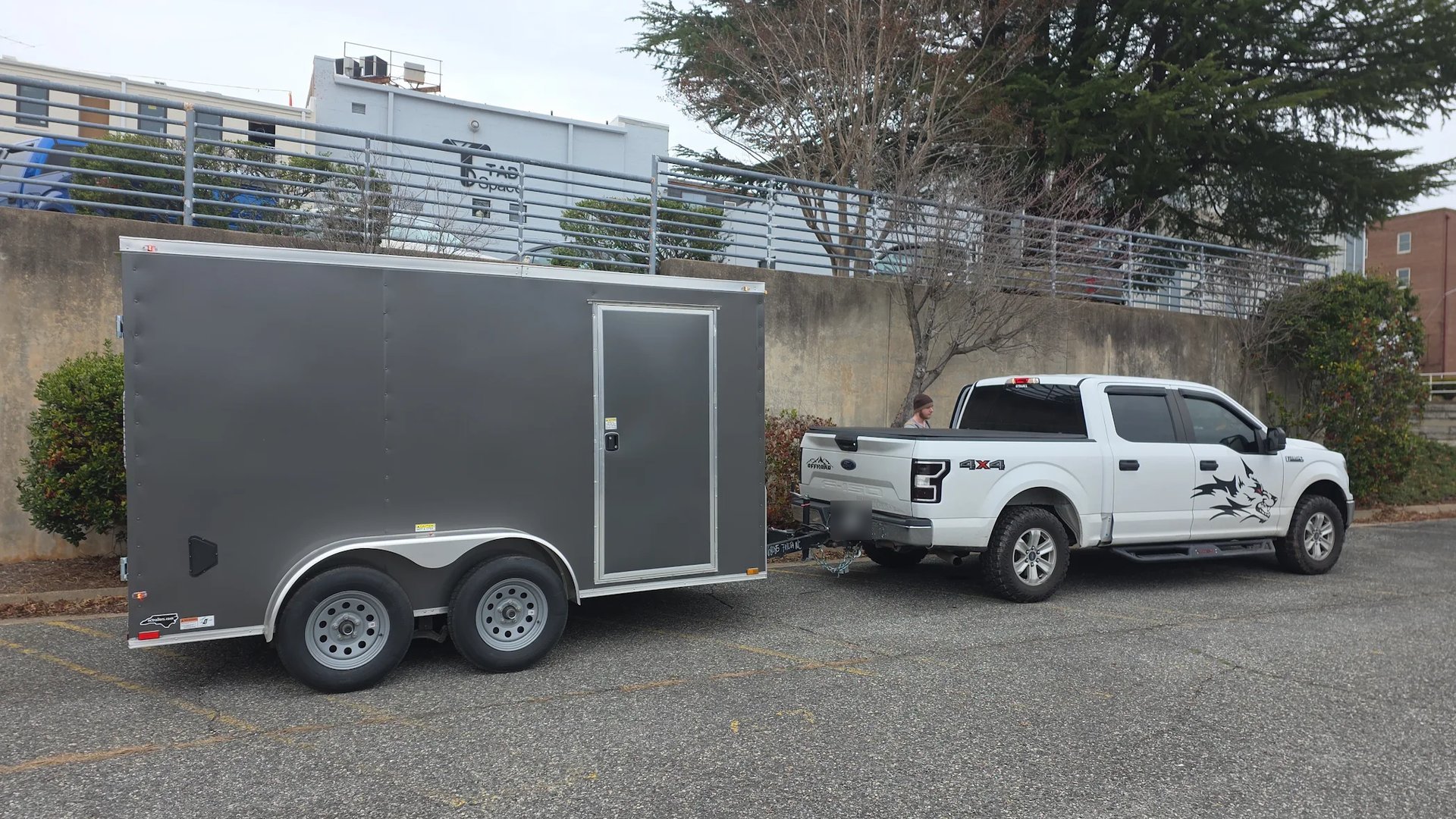
- - Enclosed: Tools, valuables, weatherproof (2,000–7,000 lbs)
- - Single Axle: Light loads, easy towing (1,000–3,500 lbs)
- - Tandem Axle: Heavy loads, long trips (3,500–7,000 lbs)
We carry Currahee, Nolan, RawMaxx, Horizon, and Big Tex utility landscape trailers, known for their durability and load versatility.
Features and Specifications
Frame materials may include steel, aluminum, or galvanized steel. Aluminum trailers are rust-resistant and lighter, while steel trailers are stronger but heavier.
Deck sizes vary from 4x6 to 7x20 feet. Suspension types affect ride quality. Leaf spring suspension is common.
Key features to look for:
- - Tie-down points
- - Ramp gates
- - Side gates
- - LED lighting
- - Electric brakes on larger models
Weight capacity is listed in pounds and tells users the maximum load the trailer can safely haul. Always check the GVWR (Gross Vehicle Weight Rating).
New vs. Used Utility and Landscape Trailers
New trailers come with warranties and modern features but cost more. Used landscape trailers for sale are more affordable, though they may have wear. Always inspect used models for rust, frame damage, or faulty lights before purchasing.
Compare prices online, through classified ads, or at dealerships. Many buyers choose to apply for financing to manage trailer costs. Learn more about our trailer financing options.
Choosing the Right Landscape Utility Trailer
Trailer Sizes and Configurations
Utility trailers range from compact 4x6 models to large 7x16+ trailers. Pick a size that suits your most frequent hauling needs.
- - 4x6: Small tools, yard waste
- - 5x8: Lawn mowers, appliances
- - 6x10+: ATVs, building materials
Single vs Tandem Axles
Single axle trailers are lighter, easier to tow, and ideal for loads under 3,000 lbs. Tandem axle trailers handle heavier loads, improve stability, and reduce sway.
Frame and Floor Materials
Steel frames are strong and common but can rust. Aluminum is rust-resistant and lighter but more expensive.
Floors are usually treated wood or steel mesh. Wood floors offer a solid base and are easy to replace. Mesh floors let dirt and water fall through—great for landscaping.
Landscape Utility Trailer Applications
Construction Use
Utility Landscape trailers are ideal for carrying tools, building materials, or small machinery. Landscapers, contractors, and farmers often use equipment trailers for heavier equipment needing longer and wider decks and 10K+ GVWR.
Landscaping & Yard Work
Use trailers to move mulch, soil, lawn equipment, or tools. Many models feature high sides or mesh walls to secure loose items.
Recreational Use
Trailers are great for moving ATVs, bikes, camping gear, and home improvement supplies. A utility trailer increases vehicle cargo capacity without needing a larger truck.
Maintenance and Accessories
Regular maintenance includes tire checks, greasing bearings, checking brakes, and inspecting the lights.
Common upgrades:
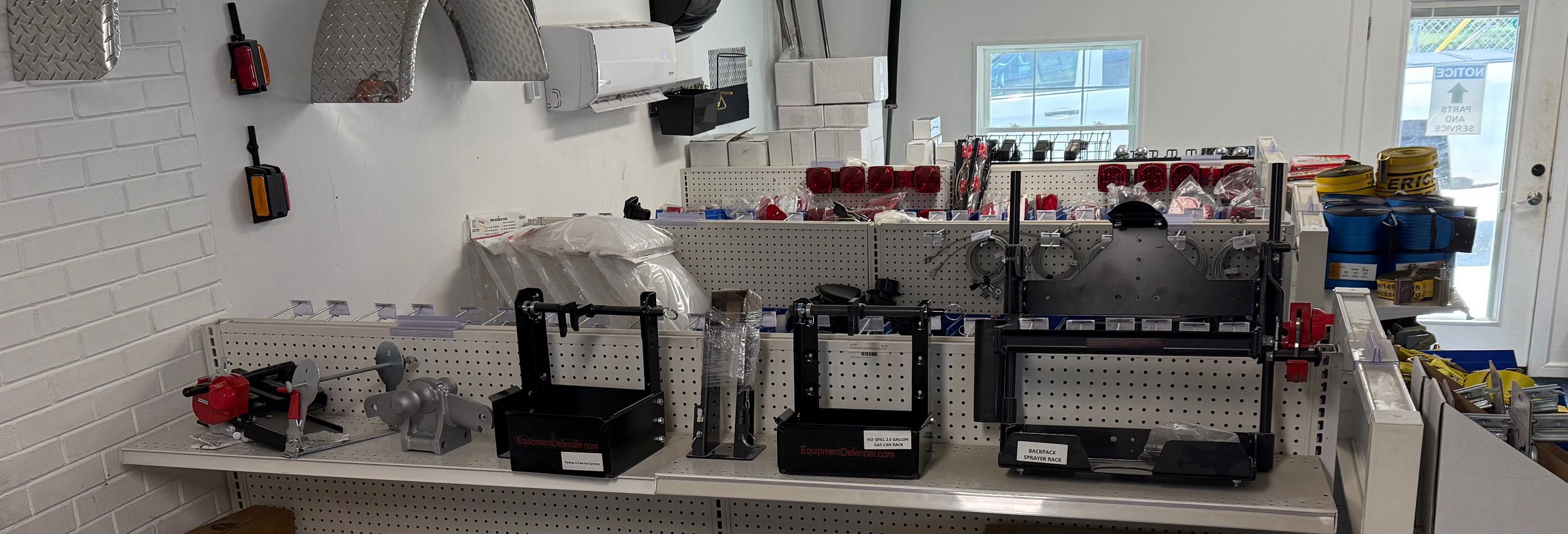
- - Spare tire mounts
- - Toolboxes
- - LED lights
- - Tie-down anchors
---
Ready to explore your options? Visit our landscape utility trailer inventory or contact our team to find the best fit for your needs.
 About the Author