Refrigerated Trailers: Maintenance and Care Guide
Refrigerated trailers are critical assets for businesses that rely on consistent temperature control to protect perishable goods. From food distributors and caterers to florists and specialty vendors, proper maintenance ensures these trailers operate reliably, stay compliant with safety standards, and avoid costly downtime.
This guide outlines essential refrigerated trailer maintenance and care practices to help owners extend equipment lifespan, reduce repair costs, and maintain dependable cooling performance across North Carolina.
Why regular maintenance is essential
Refrigerated trailers operate under constant mechanical and environmental stress. Cooling systems run for extended periods, insulation faces moisture exposure, and components experience vibration during transport. Without routine care, small issues can escalate into system failures that compromise cargo.
Consistent maintenance helps:
- Prevent temperature fluctuations that lead to spoilage
- Reduce unexpected breakdowns
- Extend the service life of refrigeration components
- Maintain compliance with food safety requirements
Daily and pre-trip inspection tasks
Simple checks performed before each trip can catch problems early and protect both equipment and cargo.
- Verify the refrigeration unit powers on and reaches target temperature
- Inspect door seals and gaskets for cracks or gaps
- Check interior cleanliness and remove debris or spills
- Confirm temperature displays and controls are functioning
- Inspect tires, lights, and safety chains
These quick inspections help ensure the trailer is road-ready and cooling properly before loading.
Routine refrigeration system maintenance
The refrigeration unit is the heart of the trailer and requires regular attention to operate efficiently.
Key maintenance tasks include:
- Cleaning condenser and evaporator coils to improve airflow
- Inspecting belts, fans, and electrical connections
- Checking refrigerant levels and system pressure
- Ensuring drainage lines are clear to prevent moisture buildup
Ignoring these components can reduce cooling efficiency and increase energy consumption.
Insulation and structural care
Insulation plays a major role in maintaining consistent temperatures. Damage to walls, floors, or ceilings allows cold air to escape and forces the refrigeration system to work harder.
Owners should regularly:
- Inspect walls and ceilings for cracks or punctures
- Check flooring for soft spots or moisture damage
- Seal any gaps or compromised areas promptly
Maintaining insulation integrity reduces strain on the cooling system and improves long-term performance.
Airflow and interior environment management
Proper airflow ensures even temperature distribution throughout the trailer. Blocked vents or poorly arranged cargo can create hot spots that compromise product quality.
Best practices include:
- Keeping airflow channels clear
- Spacing cargo to allow circulation
- Avoiding overloading beyond rated capacity
Consistent airflow protects sensitive goods and supports stable cooling during transport.
Professional servicing and inspections
While daily and routine checks handle basic care, professional servicing is essential for long-term reliability. Certified technicians can diagnose issues that may not be visible during regular inspections.
Professional servicing typically includes:
- System diagnostics and performance testing
- Refrigerant system inspection
- Electrical and control system evaluation
- Preventive component replacement
Scheduling professional inspections at regular intervals helps avoid major failures and costly emergency repairs.
Cost implications of neglected maintenance
Skipping maintenance may save time initially, but it often leads to higher costs later. Poorly maintained refrigerated trailers are more likely to experience breakdowns, product loss, and shortened equipment lifespan.
Common consequences of neglect include:
- Spoiled inventory due to temperature failure
- Emergency repair expenses
- Increased fuel or power consumption
- Failed inspections or regulatory issues
Preventive care is typically far less expensive than corrective repairs.
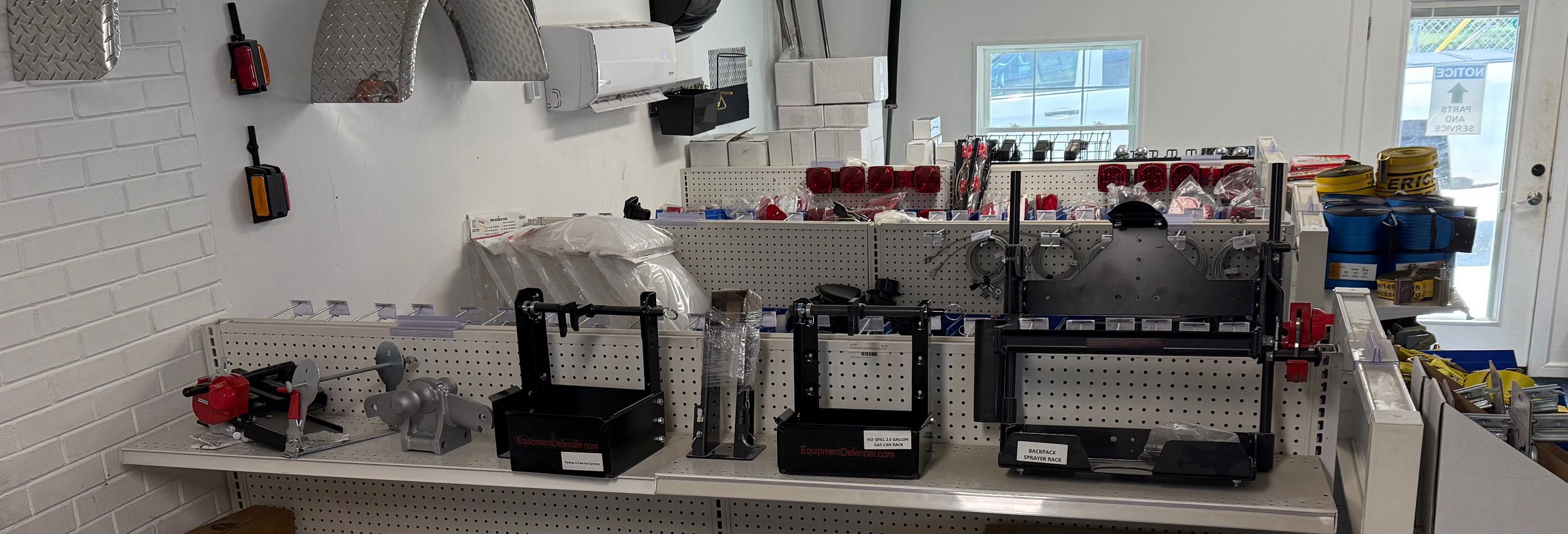
Recommended care products and tools
Using the right products helps simplify maintenance and protect key components.
- Non-corrosive coil cleaners for refrigeration units
- Food-safe interior cleaning solutions
- Seal conditioners for door gaskets
- Temperature monitoring tools or data loggers
Keeping these tools on hand supports consistent care and faster response to issues.
Choosing the right trailer and support
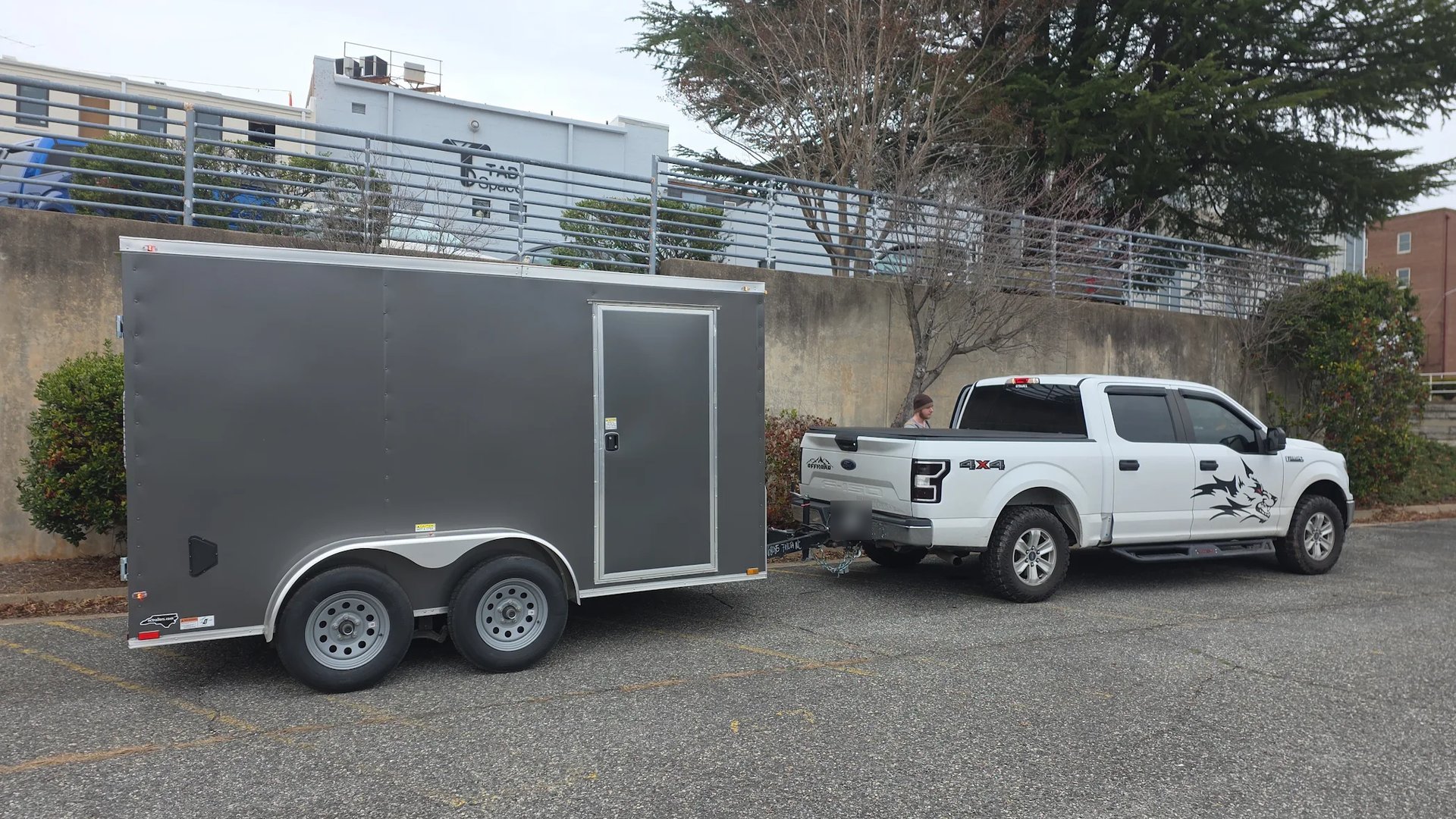
Maintenance begins with selecting a quality trailer built for refrigerated use. Many buyers start by reviewing options in the enclosed trailer inventory, where refrigerated models are designed with reinforced insulation, reliable cooling systems, and durable construction.
Working with a knowledgeable dealer ensures you receive guidance on care requirements and long-term ownership expectations.
Final thoughts
Refrigerated trailer maintenance is not optional for businesses that depend on temperature control—it’s essential. By following consistent care routines, scheduling professional service, and addressing issues early, owners can protect their investment and ensure dependable performance.
With proper maintenance and the right support, refrigerated trailers can deliver years of reliable service while safeguarding product quality and business reputation across North Carolina.
 About the Author