
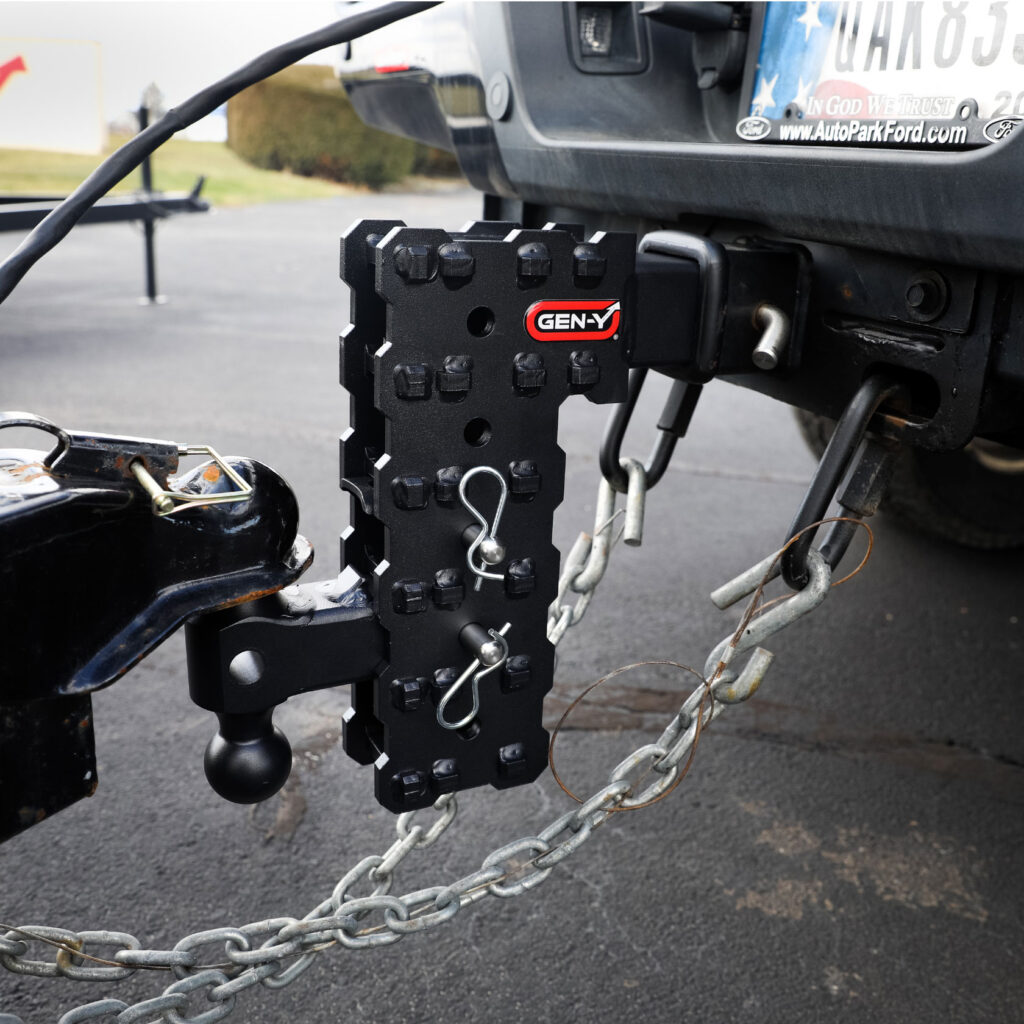
A trailer hitch is the connection point between your vehicle and the trailer it tows. It must be strong enough to support the trailer’s weight and stable enough to provide smooth handling. The most common hitch is the receiver hitch, which attaches directly to the vehicle frame and includes a square receiver tube for various towing accessories.
Trailer Hitch Classes Explained
Trailer hitches come in five classes. Class I and II are suitable for light-duty towing, such as bike racks or small utility trailers. Class III and IV are more versatile, handling larger equipment and campers. Class V is designed for heavy-duty loads, such as equipment trailers or large enclosed trailers.
Specialized hitches, like gooseneck and fifth-wheel hitches, are commonly used for commercial or agricultural towing. These hitches mount inside the truck bed and offer greater stability and higher towing capacity. Pintle hitches, often seen in military or construction use, provide strong, secure towing for rough terrain.
Specialized Hitches: Gooseneck, Fifth-Wheel, and Pintle
Vehicle compatibility is a critical factor. Before choosing a hitch, check your vehicle’s towing capacity, available mounting points, and rear suspension strength. Overloading your vehicle or installing an incompatible hitch can result in poor handling or serious mechanical damage.
Matching the Hitch to Your Vehicle and Trailer
To determine your vehicle’s capacity, refer to the owner’s manual or manufacturer’s specifications. The listed Gross Trailer Weight (GTW) and Tongue Weight (TW) must match or fall below the ratings of both your hitch and your towing vehicle. Tongue weight should be approximately 10–15% of the trailer’s total weight.
When selecting a hitch, also consider the type of trailer you plan to tow. For example, if you frequently use a utility trailer, a Class III hitch is usually sufficient. On the other hand, if you're towing a heavy equipment trailer, like those found in our equipment trailer inventory, a Class IV or V hitch may be necessary.
Hitch installation can often be done at home with the right tools, but professional installation is recommended for larger hitches or complex setups. Always use grade-8 bolts and follow torque specifications provided by the hitch manufacturer. Many local trailer dealerships offer installation services and can ensure your setup is safe and compliant with towing regulations.
Installation and Safety Components
Safety chains, brake controllers, and lighting connections are also essential. Safety chains provide a secondary connection between your trailer and vehicle. Brake controllers synchronize the trailer’s brakes with your vehicle’s, reducing wear on your vehicle and enhancing safety. Trailer lighting connections ensure your trailer’s signals and brake lights work properly, especially important if you’re towing an enclosed trailer that might block your vehicle’s lights.
Beyond functionality, comfort and handling matter too. Proper hitch selection reduces trailer sway, improves control during turns and stops, and minimizes wear on your vehicle. For drivers hauling loads regularly, investing in a high-quality hitch system is well worth the peace of mind.
Hitch Maintenance and Accessories
Routine maintenance of your hitch setup is also crucial. Check all hardware regularly for rust, damage, or loose bolts. Grease moving parts, and inspect electrical connections. If your trailer experiences a lot of use, especially for landscaping or commercial work, consider reinforcing your hitch and checking suspension components more often. Our landscape trailer inventory is commonly paired with Class III or IV hitches, and we frequently advise customers on proper hitch maintenance.
Additionally, many customers benefit from accessories like hitch-mounted cargo carriers, bike racks, or adjustable ball mounts. These tools can be added to your existing hitch system and improve flexibility. Adjustable mounts are especially helpful when towing trailers with varying tongue heights, like car haulers or utility trailers of different sizes.
Finally, before every tow, walk around your trailer and vehicle to double-check connections. Inspect the hitch pin, safety chains, electrical plug, tire pressure, and cargo security. Small oversights can lead to big problems on the road, so a few minutes of inspection can save a lot of trouble.
Final Pre-Tow Checklist
In summary, choosing the right hitch is about more than just towing capacity. It’s about matching the hitch to your trailer type, vehicle, and use case. From utility trailers to car haulers, and from enclosed models to heavy-duty gooseneck trailers, every application has its own hitch requirements. With proper planning and installation, your trailer hitch can provide years of safe, reliable use.
 About the Author