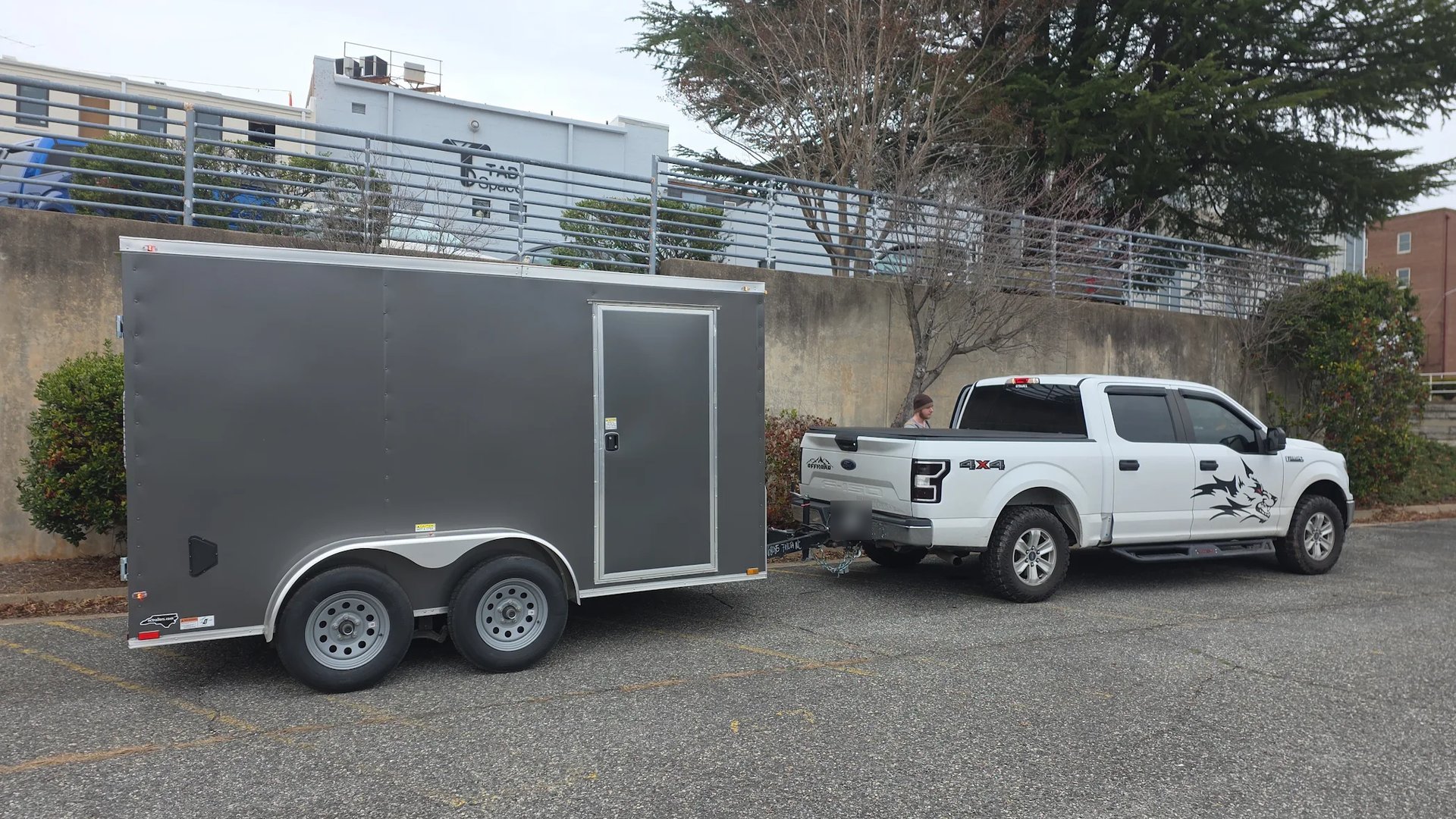
North Carolina’s food trailer health codes are detailed, and understanding these rules is essential for anyone planning to operate a mobile food business. Many new food vendors begin by purchasing an enclosed trailer from the NC Trailers inventory because these models offer the structure, durability, and space needed to build a compliant mobile kitchen. NC Trailers also sells concession trailers and handles build-outs in its own shop, including plumbing, electrical, propane, and appliance installs, so buyers can start with a finished unit or customize an enclosed trailer to meet state and county requirements. Knowing what inspectors look for can help business owners avoid costly changes and get permitted faster.
The first required step for any North Carolina food trailer is securing a plan review and operational permit from the county health department. This review requires a full layout of the interior, including plumbing diagrams, electrical placements, food prep zones, sink locations, and cooking equipment. A mobile food unit in North Carolina must also operate from an approved commissary, so line one up before you apply. Many owners choose larger 8.5-foot-wide enclosed units because they allow enough space to meet clearance rules for handwashing, dishwashing, and food preparation. When customers shop the NC Trailers enclosed trailer inventory, they often compare wall height, frame strength, and flooring type to ensure the trailer can support stainless steel surfaces, commercial sinks, and refrigeration equipment.
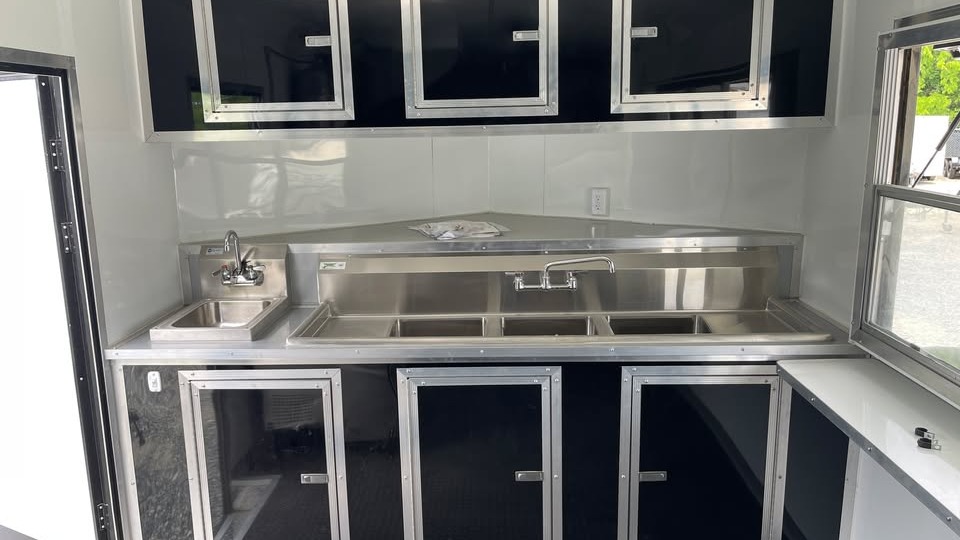
One of the most strictly enforced requirements involves sinks. North Carolina mandates that every food trailer include a separate handwashing sink and a three-compartment sink for utensil washing. The three-compartment sink must be large enough to submerge the largest pot, pan, or utensil used in the operation. To meet this standard, food trailer owners frequently install high-clearance sinks and reinforced counters inside enclosed trailers. Many of the models found within the NC Trailers enclosed selection feature durable interiors that can be upgraded with water tanks, hot-water heaters, and sealed plumbing lines without compromising structural integrity.
Ventilation is another critical requirement, especially for trailers used to fry, grill, sauté, or cook with open flames. Trailers cooking this way generally need a commercial-grade hood system with an approved fire suppression unit. For this reason, buyers often choose enclosed trailers with aluminum-lined walls or reinforced ceilings. These surfaces are easier to clean and safer for mounting ductwork, exhaust fans, and suppression tanks. During inspections, county officials verify that air is vented properly and that all interior materials near cooking areas are fire-safe.
Refrigeration standards are equally important. Trailers must maintain food at required temperatures—typically 41°F or below for perishables—and must use NSF-certified refrigerators or freezers. Business owners often look for enclosed trailers with strong flooring and stable wall framing to support heavier commercial refrigeration units. Some operators choose to install additional insulation in the trailer walls to improve cooling efficiency. NC Trailers helps customers select enclosed cargo trailers with the structure needed for these modifications, drawing on similar cooling considerations that buyers evaluate when comparing refrigerated cargo trailers.
Interior surface requirements go beyond equipment. Floors, walls, and ceilings must be made of smooth, durable, and easily cleanable materials. Enclosed trailers sold by NC Trailers frequently include plywood floors suitable for overlays of non-slip vinyl—one of the flooring types approved by many counties. Walls must be finished with stainless steel, FRP panels, or another washable material. Surfaces must resist moisture, grease, and high temperatures. Choosing an enclosed trailer with clean structural framing and minimal interior obstructions makes installation easier and helps ensure county approval during inspections.
Wastewater disposal rules are among the most misunderstood health code requirements. North Carolina mandates that every food trailer have a gray-water tank at least 15 percent larger than its fresh-water tank. This prevents overflow and contamination during busy service days. Properly installed tanks must include secure venting, sealed piping, and accessible drainage valves. Health inspectors verify not just the tank size but also the trailer’s ability to maintain sanitary wastewater flow during operation. Many NC Trailers customers work with licensed plumbers to ensure the plumbing system fits neatly within the enclosed trailer’s layout while maintaining access for inspections.
Electrical compliance is another essential component of permitting. Food trailers often require significant power to operate fryers, warming cabinets, refrigeration units, lighting, POS systems, and water pumps. All wiring must comply with NC electrical code, and many owners install breaker panels, shore-power hookups, or generator mounts inside enclosed trailers. Trailers purchased from NC Trailers are frequently upgraded with insulated walls and roof structures that help reduce heat transfer from cooking equipment and improve overall energy efficiency.
North Carolina also requires that every food trailer have at least one certified food protection manager. This person must be present or accessible during operating hours and must hold a nationally recognized certification such as ServSafe. The requirement ensures that proper sanitation, temperature control, and contamination prevention procedures are followed. This certification is essential because inspectors frequently ask operators to explain their food safety processes during inspections, especially when working inside a compact enclosed trailer workspace.
Before receiving a final permit, the food trailer must pass a full in-person inspection. Everything must be fully installed and operational during the inspection—water must run, refrigeration must cool properly, and cooking equipment must be functional. Inspectors focus not only on equipment but also on workflow efficiency, ensuring that food preparation areas are separate from dishwashing and storage zones. Many operators schedule a preliminary walkthrough while customizing their enclosed trailer to identify potential issues early. NC Trailers’ service shop handles these build-outs in house, and the county health department has the final say on what passes.
Once approved, food trailer operators must follow ongoing sanitation rules, daily temperature checks, proper chemical storage, utensil-handling procedures, and safe food transport methods. The fully enclosed structure of a cargo trailer helps protect food from environmental contamination, pests, and debris during service and travel. Many operators choose to add additional storage racks, insulated cabinets, or weatherproof pass-through windows to improve workflow and customer service during events and festivals.
Understanding and following North Carolina’s food trailer health code requirements is essential for operating successfully and legally. Selecting the right enclosed trailer is one of the most important steps in that process. NC Trailers provides durable, spacious enclosed models that food vendors can confidently customize to meet state regulations. By selecting the proper foundation and ensuring every upgrade meets code standards, food trailer owners can run safe, compliant, and profitable mobile food businesses throughout North Carolina.
Planning a food trailer?
Call us, stop by either lot, or fill out the financing request just below and we will get right back to you.
 About the Author