
Comparing Equipment Trailers: Gooseneck vs. Bumper Pull
Choosing the right equipment trailer is a critical decision for contractors, landscapers, and business owners who rely on safe and efficient hauling. One of the most common questions buyers face is whether a gooseneck trailer or a bumper pull trailer is the better fit. Each option has advantages depending on load size, towing vehicle, job requirements, and long-term use.
Understanding the differences between gooseneck and bumper pull equipment trailers helps ensure you select a trailer that delivers stability, safety, and performance for your specific applications.
What is a bumper pull equipment trailer?
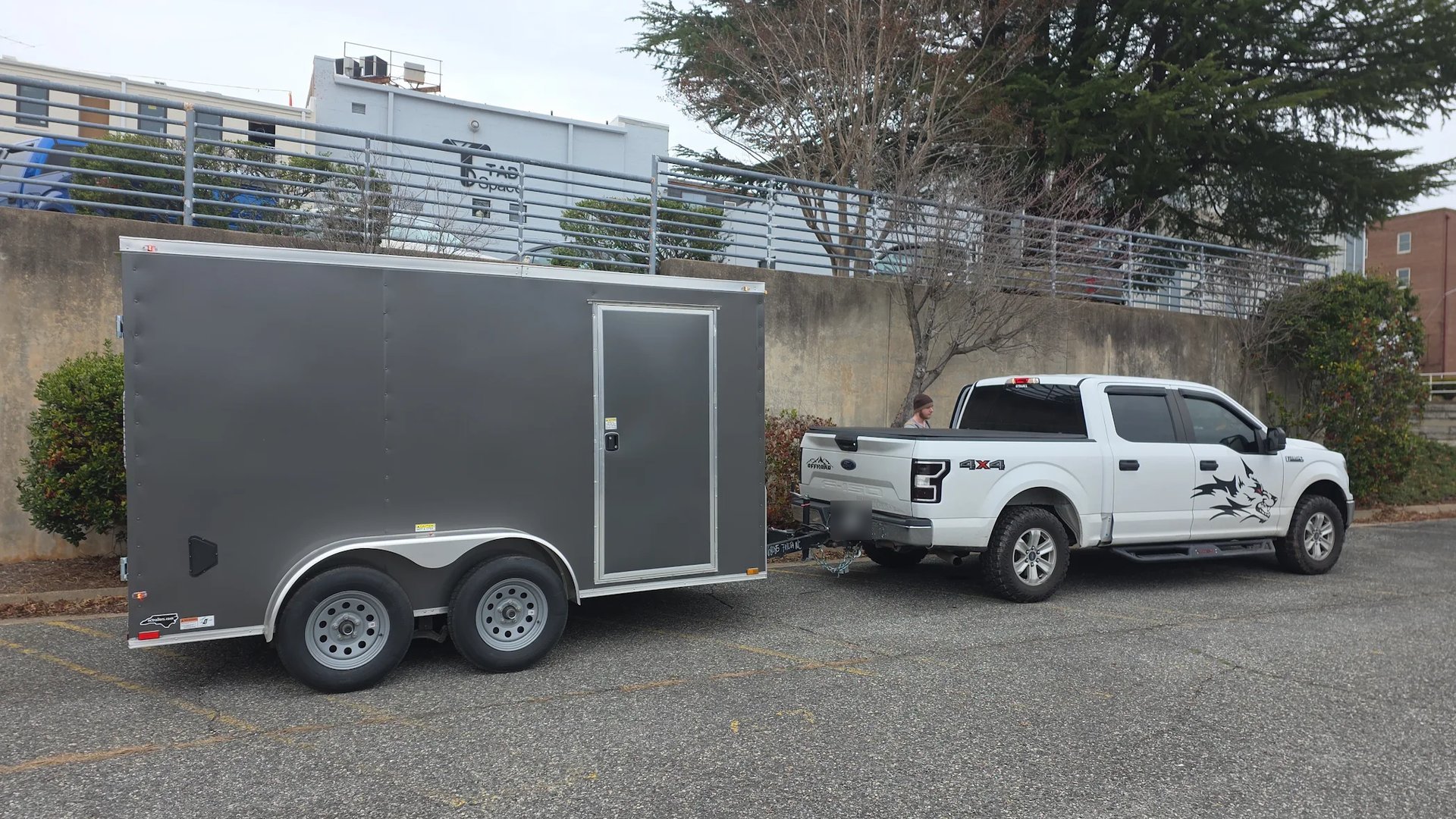
Bumper pull equipment trailers connect to a receiver hitch mounted at the rear of the tow vehicle. This design is widely used because it is simple, versatile, and compatible with many trucks and SUVs.
Bumper pull trailers are commonly chosen by small businesses and property owners who haul compact equipment such as skid steers, mini excavators, mowers, and utility machinery. They are also popular for buyers who want flexibility without modifying their tow vehicle.
Pros of bumper pull trailers
- Easier hookup and disconnect process
- Compatible with a wider range of tow vehicles
- Lower upfront cost compared to gooseneck trailers
- Simpler maintenance and fewer hitch components
Cons of bumper pull trailers
- Reduced stability with very heavy loads
- Greater potential for trailer sway at highway speeds
- Limited weight capacity compared to gooseneck designs
What is a gooseneck equipment trailer?
Gooseneck trailers attach to a hitch mounted in the bed of a pickup truck, typically above or slightly forward of the rear axle. This connection point distributes weight more evenly across the tow vehicle, improving control when hauling heavy equipment.
Gooseneck equipment trailers are commonly used by construction companies and operators transporting larger machinery or heavier loads on a regular basis.
Pros of gooseneck trailers
- Improved towing stability and reduced sway
- Higher weight capacity for heavy equipment
- Better load distribution over the tow vehicle
- More confident handling during long-distance hauling
Cons of gooseneck trailers
- Requires a pickup truck with an in-bed hitch
- Higher purchase cost compared to bumper pull trailers
- Reduced truck bed usability when the hitch is installed
Cost differences between gooseneck and bumper pull trailers
Cost is often a deciding factor. Bumper pull equipment trailers are generally more affordable upfront, making them attractive for startups or businesses with lighter hauling needs. Gooseneck trailers typically cost more due to heavier construction, larger frames, and increased load ratings.
However, for businesses that routinely transport heavy machinery, the added cost of a gooseneck trailer is often justified by improved safety, reduced wear on the tow vehicle, and greater long-term durability.
Towing stability and safety considerations
Towing stability is one of the most significant differences between these trailer types. Bumper pull trailers place tongue weight at the rear of the vehicle, which can affect handling when loads approach the upper limits of the hitch.
Gooseneck trailers place weight directly over the rear axle, improving balance and reducing sway. This makes them better suited for highway driving, uneven terrain, and frequent long-distance hauling.
Which trailer is right for your equipment?
The right choice depends on how you plan to use the trailer:
- Bumper pull trailers are ideal for lighter equipment, shorter trips, and buyers who want maximum vehicle compatibility.
- Gooseneck trailers are better suited for heavy machinery, frequent hauling, and situations where stability is a top priority.
Many buyers compare both options when browsing the equipment trailer inventory, weighing their hauling needs against towing vehicle capabilities.
Maintenance and long-term durability
Both trailer styles require regular maintenance to ensure safe operation. This includes inspecting brakes, tires, axles, and suspension components. Gooseneck trailers may experience less stress on the hitch itself due to improved load distribution, while bumper pull trailers benefit from simpler hitch systems.
Choosing a well-built trailer with quality materials is essential regardless of hitch type. Proper maintenance extends service life and protects your investment.
Making the right decision with NC Trailers
There is no one-size-fits-all answer when comparing gooseneck vs. bumper pull equipment trailers. The best choice depends on your equipment weight, towing vehicle, usage frequency, and budget.
NC Trailers helps customers evaluate both options to ensure they choose a trailer that delivers safe, reliable performance for their specific needs. Whether hauling compact equipment or heavy machinery, selecting the right trailer type supports efficiency, safety, and long-term value.
 About the Author